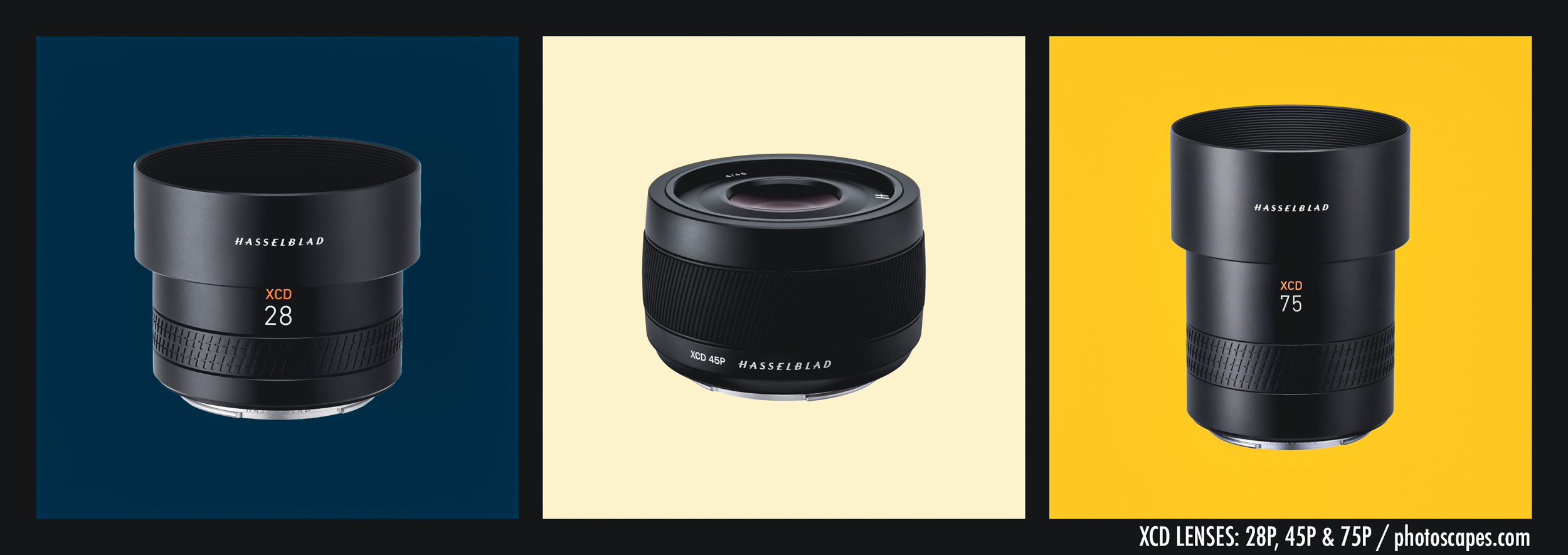
HASSELBLAD XCD LENSES
Intro
Hasselblad’s XCD lenses were designed alongside the X-series cameras to offer a modern, mirrorless take on medium-format optics—quiet, leaf-shutter precision in a compact form. Each XCD lens carries Hasselblad’s trademark color fidelity and micro-contrast, but with the convenience of autofocus, close-range performance, and electronically controlled shutters capable of syncing flash at any speed.
For photographers who work with both film and digital (or technical cameras paired with digital backs), the XCD line provides a lightweight, travel-friendly counterpart to the classic V-system lenses. Their rendering is crisp yet natural, with a smooth roll-off that suits portraits, landscapes, still life, and controlled studio work.
Whether used on the 907X, the X1D/X2D bodies, or integrated into a mixed Hasselblad system, XCD lenses offer a straightforward, dependable workflow—modern ergonomics married to medium format’s distinctive look.
XCD lenses are optimized for the X system and 907x workflow rather than large-movement technical camera use.
My XCD Lens Kit
I’ve been around the block a few decades when it comes to lenses and Hasselblad gear. A few photographers have asked how I’ve accumulated what I have—especially since I still shoot as much film as digital—and the short answer is: time, intention, and knowing what I actually need.
Hasselblad was the backbone of my commercial career forty years ago, along with a Calumet (Cambo) 4×5. And here’s the distinction: I never stopped shooting film. During the decade when film seemed to be vanishing, and everyone was “going digital,” film gear could be purchased for prices that would make today’s shooters faint. I used that window to refine my film system. Medium format and 4×5 were two formats I knew I would never give up, so I upgraded those systems while the rest of the world moved on.
I arrived late to digital—2006—with a Nikon D200 and a truly mediocre kit lens. It didn’t take long to discover that digital sensors are far less forgiving of optical flaws. Thankfully, as technology evolved, lenses improved, and many classic Hasselblad V lenses (and even some large format lenses) hold up beautifully on digital backs.
When it came time to enter the Hasselblad digital realm, I knew I wasn’t going to start collecting XCD lenses like trading cards. My V lenses already integrate well, and if you’re shooting Hasselblad V glass, it’s because you appreciate their character as much as their system design. So I decided early: a holy trinity of XCD lenses—no more.
Choosing that trio was easy; waiting for them to actually appear was the hard part. Portability and weight were my priorities since these lenses travel with me more than they live in the studio.
My final pick was the “P” line: the XCD 28P, 45P, and 75P. They perform exactly as I need them to—lightweight, sharp, and practical for life on the road.
I am curious about the two zooms—the XCD 20–35mm f/3.2–4.5 and the XCD 35–100mm f/2.8–4—and will eventually rent them. When I do, I’ll report back with my findings.
XCD 28/4 P
The XCD 28P is one of those rare medium-format lenses that practically disappear on the camera — in the best possible way. It’s small, light, and changes the feel of the X-System into something I can comfortably carry all day. On my 907x, it makes medium format feel almost mirrorless-compact.
In use, the lens is quick, quiet, and responsive. Autofocus locks in confidently, and the leaf shutter gives me the luxury of full-speed flash sync, which opens creative options outdoors. The rendering has that familiar Hasselblad clarity: clean detail, gentle contrast, and a natural look that suits landscapes, street scenes, and environmental portraits.
This isn’t a “show off” lens — it’s a practical one. The f/4 aperture keeps it tiny, and while it’s not meant for low-light drama, it excels everywhere else. Its biggest strength is how effortlessly it fits into real life. It’s the lens I take with me because it ends up making more photographs than the heavier, more serious glass.
Its datasheet is here.
Bottom line: The 28P is a travel-friendly, everyday wide that delivers strong image quality without weighing me down. It’s the XCD lens that encourages me to shoot more simply because it’s so easy to live with.
XCD 45/4 P
The XCD 45P is the definition of an everyday lens. Its field of view feels natural and intuitive—wide enough for landscapes and environmental portraits, yet close to a classic “normal” perspective for general shooting. What makes it shine is its size. For medium format, it’s surprisingly small and light, turning the X-System into a camera I can comfortably carry all day.
In practical use, the lens is straightforward and dependable. Autofocus is generally quick, and the manual focus ring has a direct, tactile feel that makes fine adjustments easy when I want more control. The leaf shutter adds flexibility by allowing full-speed flash sync, a perk I appreciate in changing light.
Image quality is clean, crisp, and beautifully rendered in that signature Hasselblad way—neutral color, good micro-contrast, and a pleasing level of detail. It doesn’t try to be dramatic or quirky; instead, it delivers consistently great images across a wide range of subjects.
Its datasheet is here.
Bottom line: The 45P is a lightweight, versatile workhorse and one of the most practical lenses in the XCD lineup. It’s the lens I depend on when I simply want to go out and make photographs without thinking too hard about my gear.
XCD 75/3.4 P
The XCD 75mm f/3.4 P is one of those lenses that quickly becomes a favorite once it’s on your camera. Its field of view sits in a classic short-tele range for medium format, making it ideal for portraits, detail work, and scenes where you want a bit of compression and separation without feeling too long. On an X-System body, it balances beautifully — not too light, not front-heavy — and feels like a natural extension of my vision rather than a tool I have to wrestle with.
In real-world shooting, the 75P delivers a sense of purposeful precision. Autofocus is smooth and confident for most situations, letting me lock in on my subject without hesitation. The manual focus ring is solid and predictable when I want direct control. Because it shares the same leaf-shutter design as other P-line lenses, I also get full-speed flash sync, which gives me creative flexibility in open shade or bright light.
Optically, the lens has a clarity and character that suit its role well: images are sharp where they need to be, with pleasing rendering that doesn’t feel clinical. Skin tones and textures come through with a natural look, and backgrounds roll off in a flattering way without being distracting. The f/3.4 aperture isn’t about extreme shallow-depth drama, but it gives you just enough separation to make subjects stand out.
What stands out most is how comfortable this lens feels in everyday use. It’s not oversized or intimidating — it’s the kind of lens I reach for when I want dependable results without fuss. Whether shooting portraits, street scenes with a bit of distance, or cropped detail work, the 75P is confident and capable.
Its datasheet is here.
Bottom line: A beautifully balanced medium-format short tele that delivers sharp, natural images and inspires me to shoot — not fiddle with settings. It’s a lens that just works, quietly and reliably, in a wide range of real-world situations.
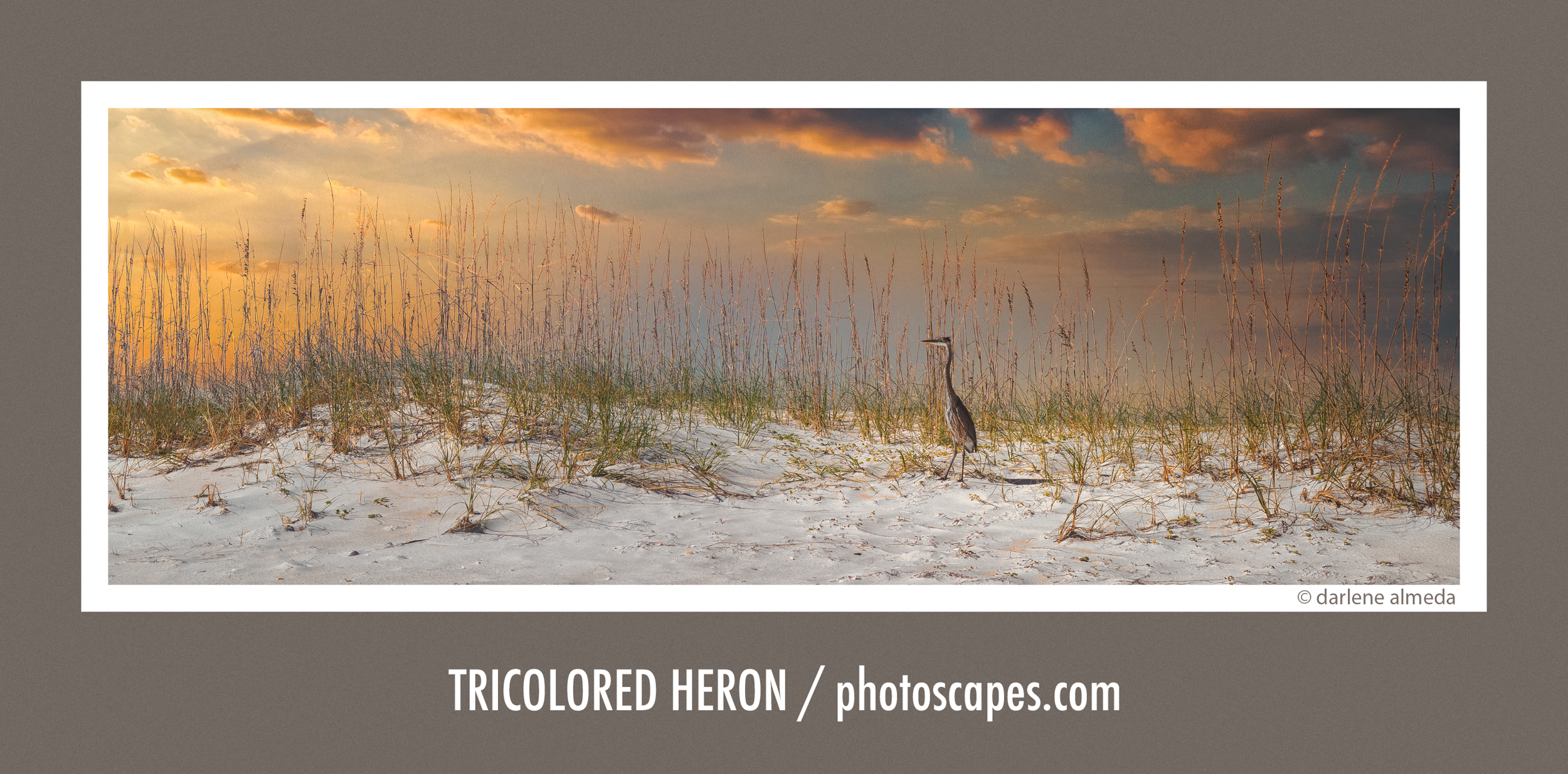
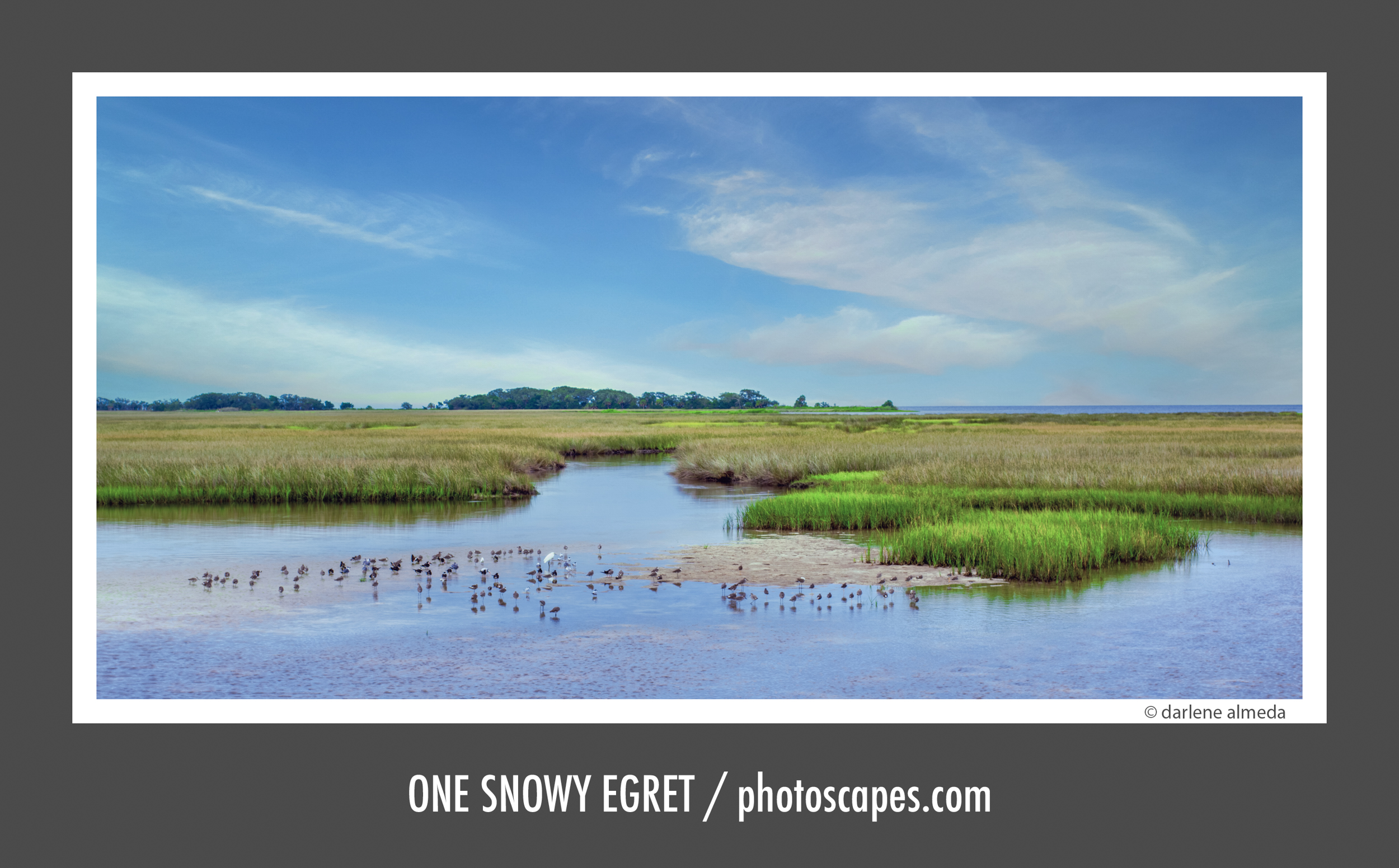
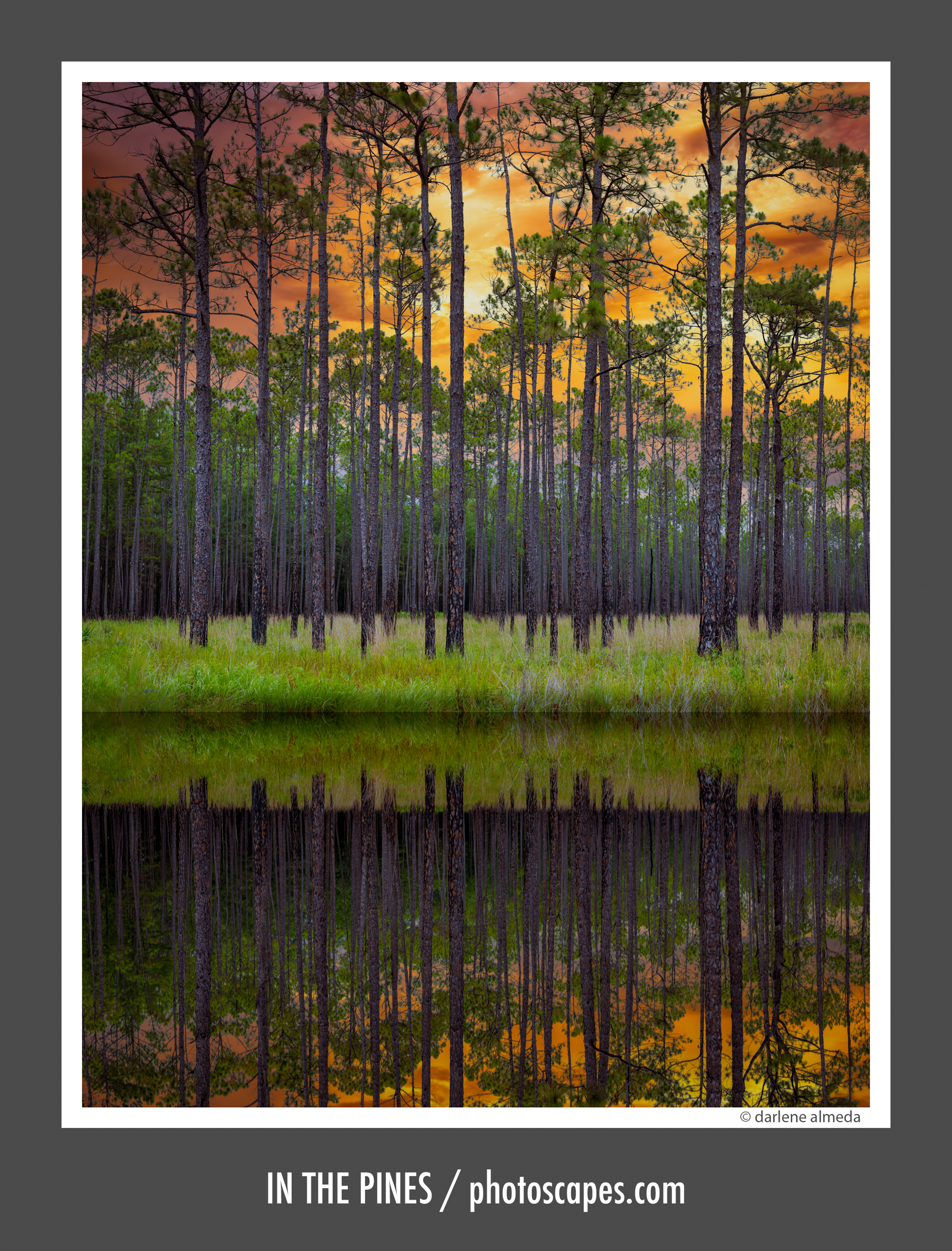
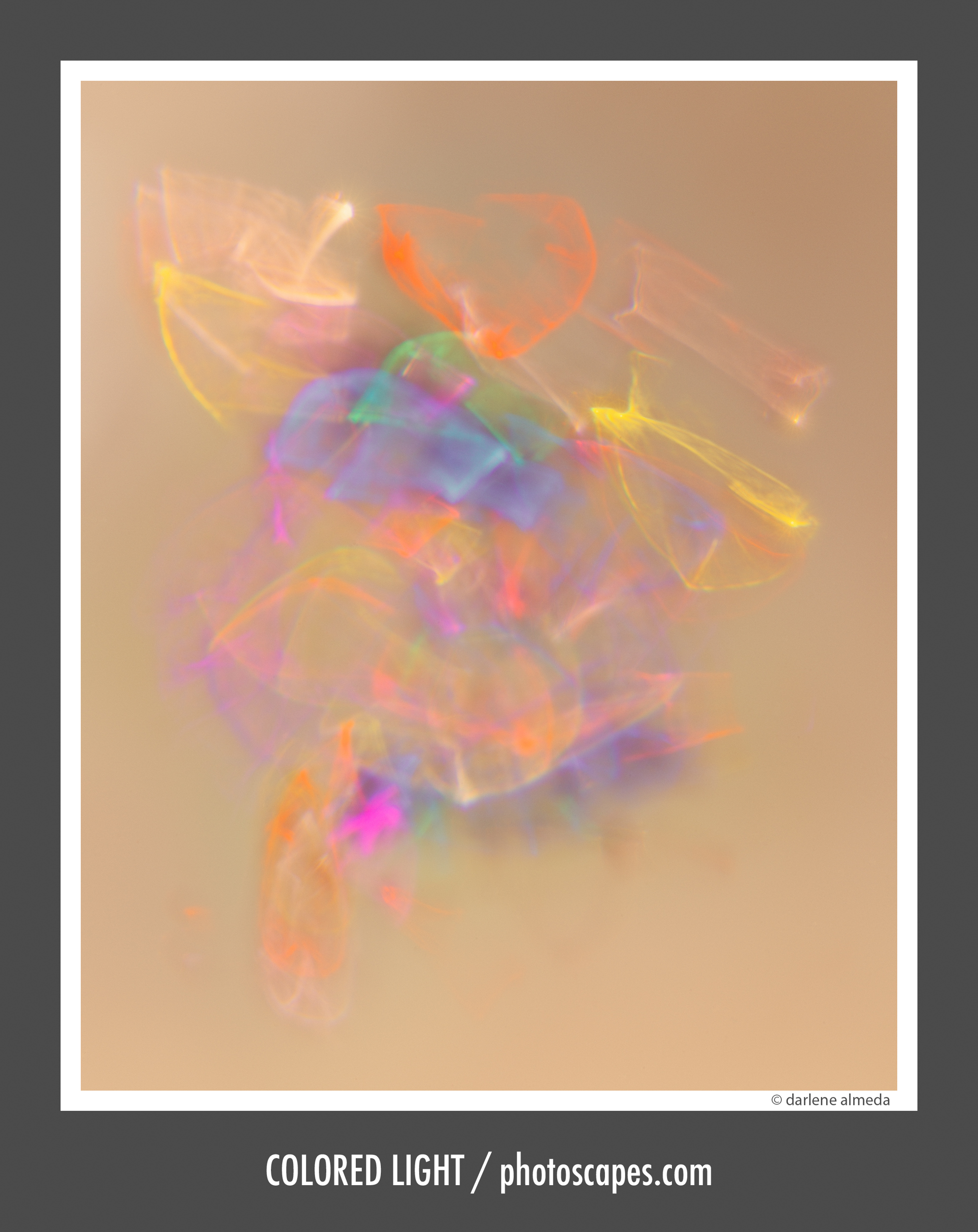
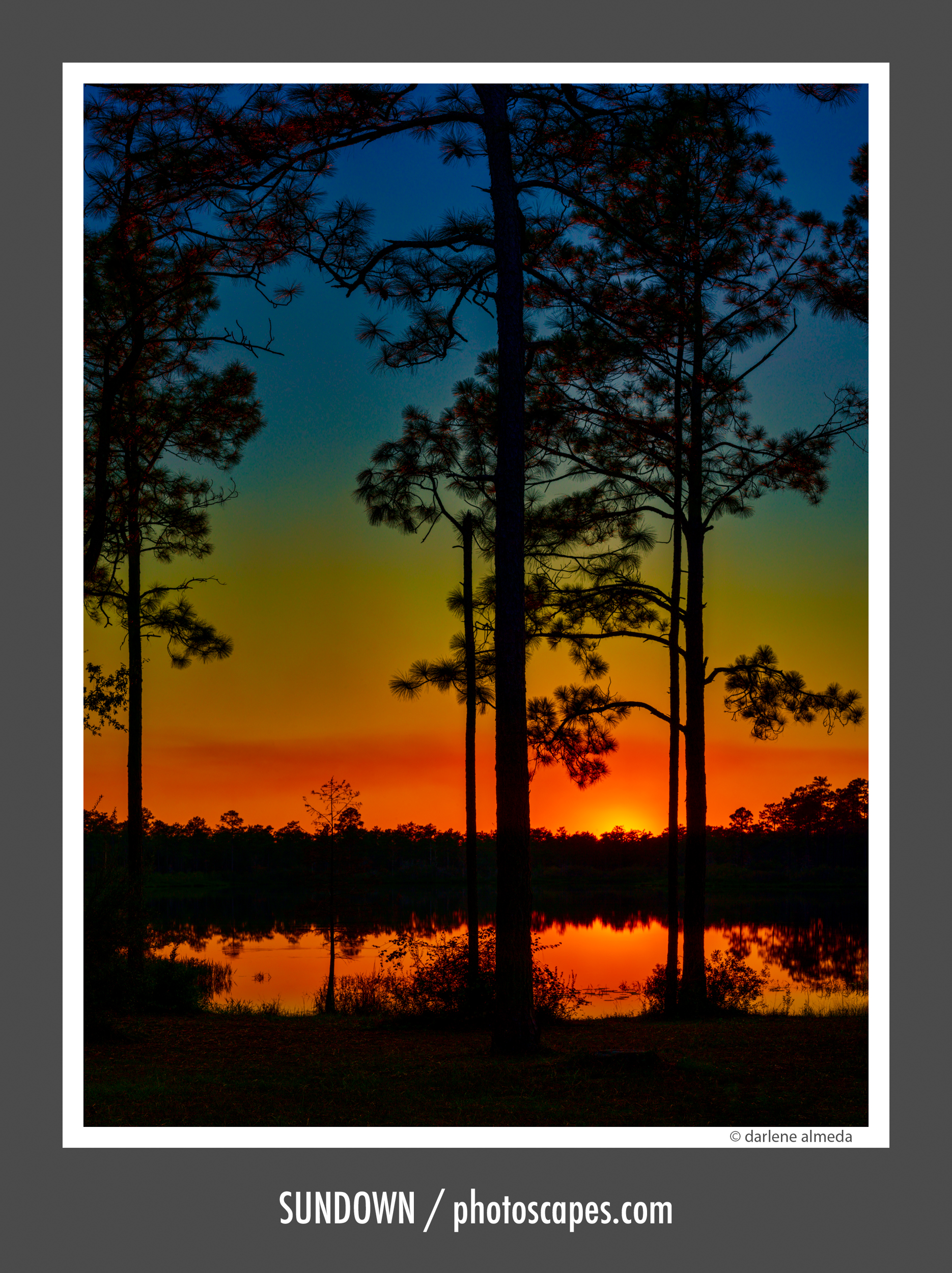
IMAGES CAPTURED WITH HASSELBLAD XCD LENSES
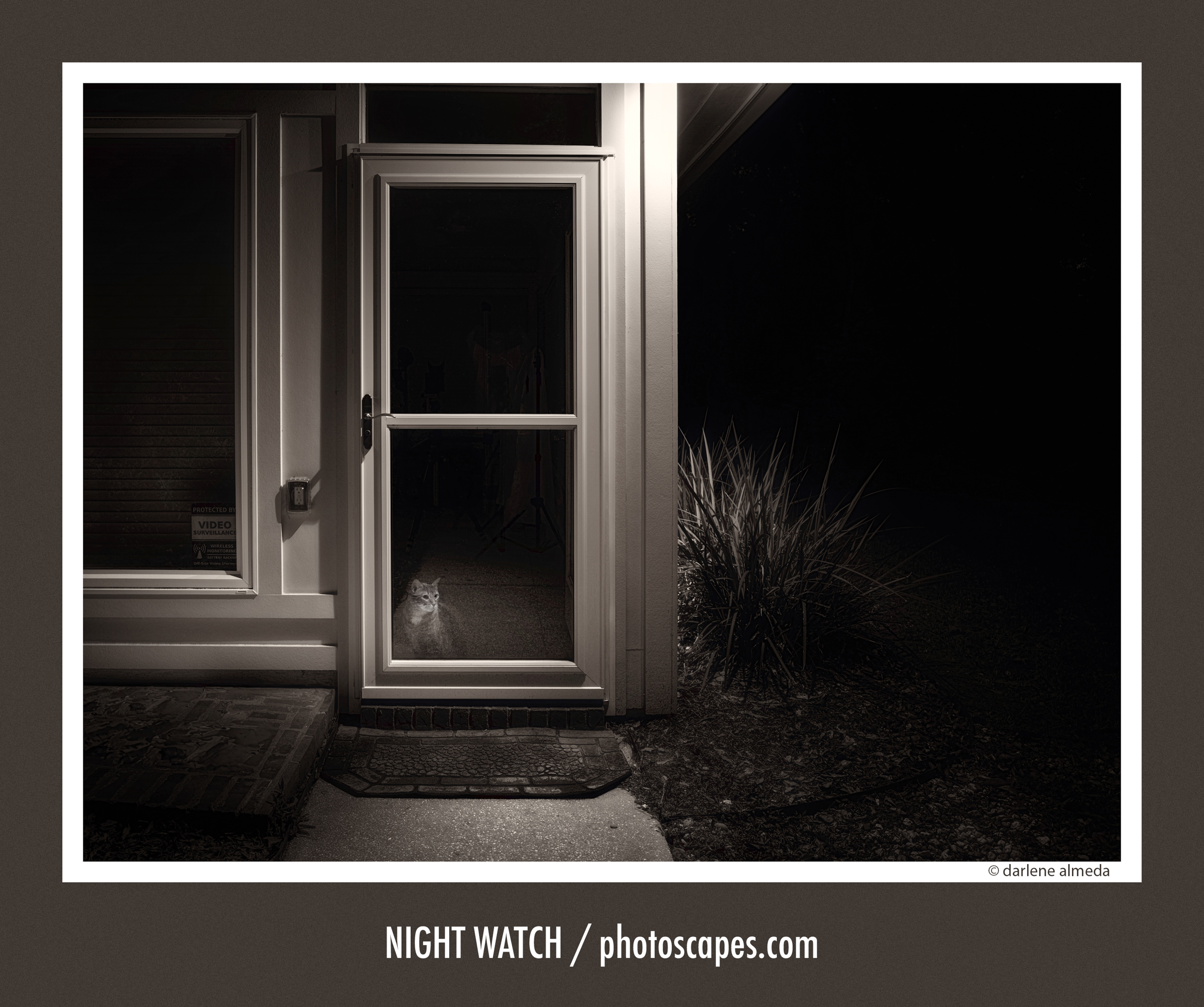
HASSELBLAD V LENSES
Intro
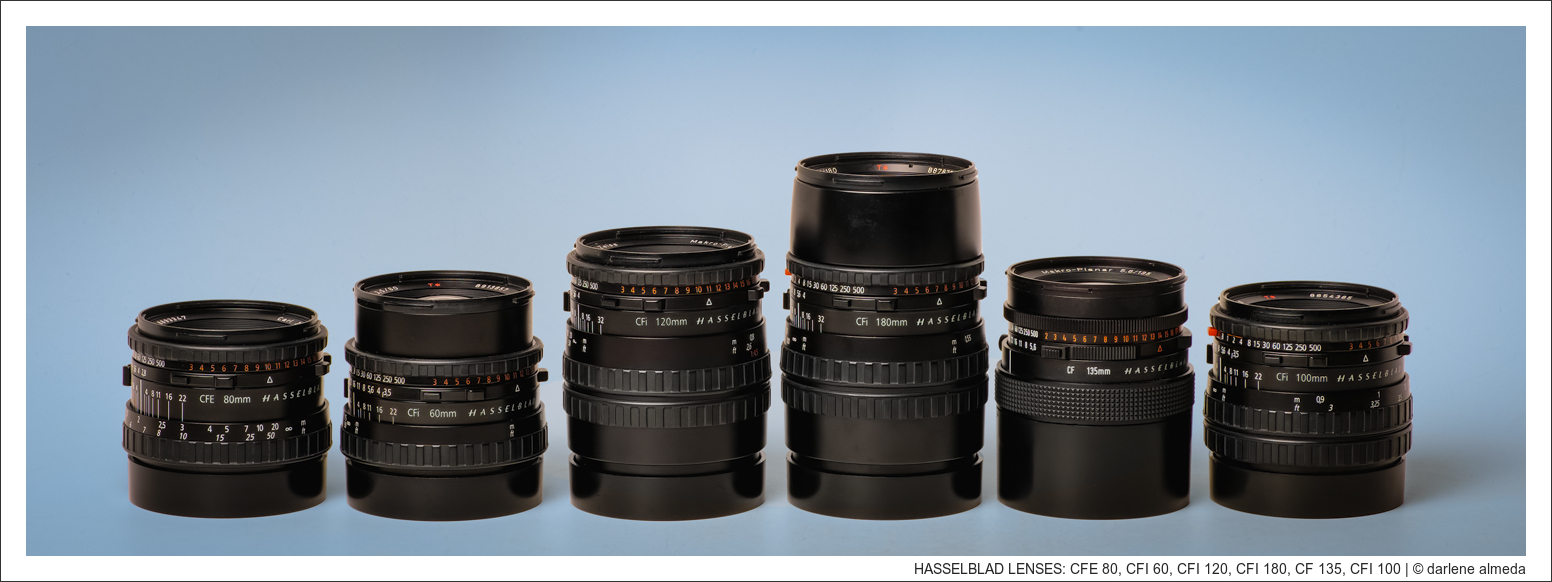
The image above shows my current collection of Hasselblad V lenses: the CFE 80/2.8, CFi 60/3.5, 100/3.5, 120/4, and 180/4, along with the CF 135/5.6, which I use with either the bellows unit or a variable extension tube. These lenses serve me well both on the road and in the studio. I also use them occasionally on an ALPA camera, where their quality and character translate beautifully on the CFV II 50c digital back.
501CM Travel Pack
Within the 60, 80, 100, 120, and 180mm focal lengths, I typically select three to four lenses for photography trips. They fit comfortably in my preferred backpacks—the Shimoda Urban Explore 20 or the Shimoda Explore v2 25 Women’s Starter—along with a 501CM body fitted with a PME51 viewfinder and a film magazine. I also pack the 907x 50c with the V-mount lens adapter and related accessories.
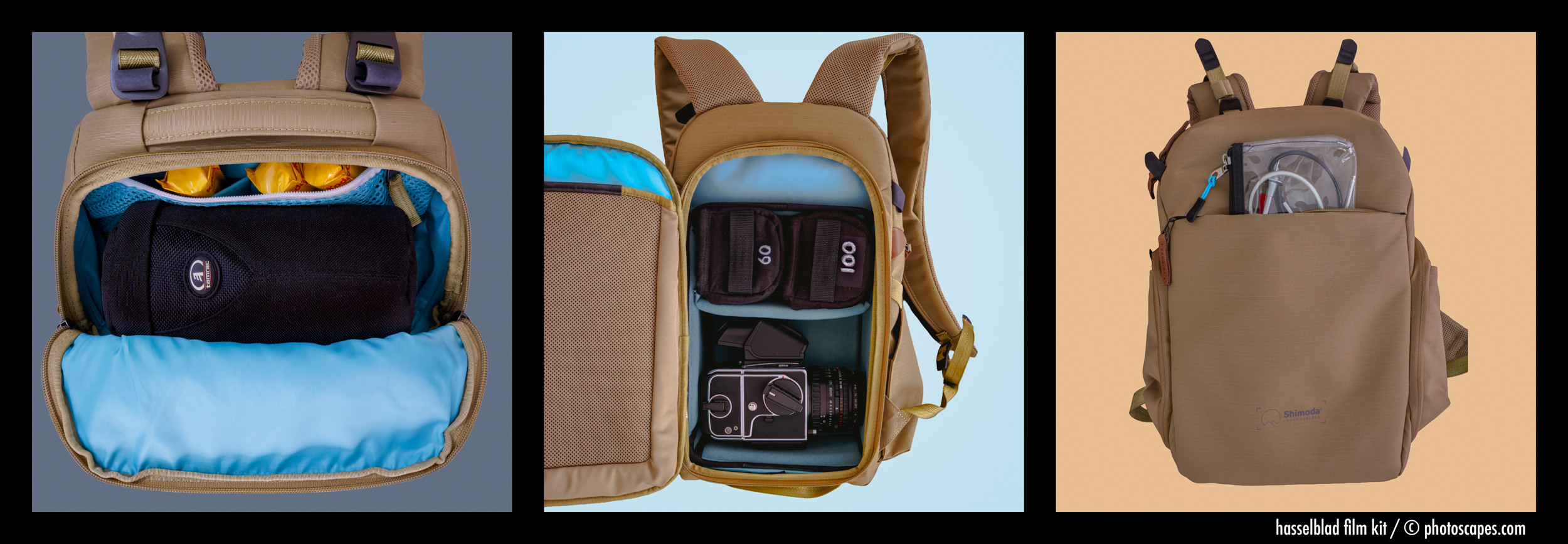
Shimoda Urban Explore 20 & Hasselblad 501CM Kit
Image Circle Coverage For ‘V’ Lenses
Zeiss has not published official image circle specifications for Hasselblad V lenses, but user experiences shared online can offer some guidance. However, be cautious when reviewing these sources—both Ernst Wildi Hasselblad manuals I own state that Hasselblad Zeiss lenses were designed specifically for the 56mm x 56mm format, with little excess coverage.
If you enjoy using the FlexBody for its movements but find the limited wide-angle lens movement frustrating, keep in mind that this is precisely why the ArcBody was developed. Designed with special Rodenstock lenses featuring larger image circles, the ArcBody offers greater flexibility for movements, addressing the limitations of the FlexBody in wide-angle applications. Here is a copy of the ArcBody’s user manual.
CFi 60/3.5 Distagon T*
The 60/3.5 is a wide-angle lens that does not produce the noticeable, sometimes distorted perspective of the 50/4. It has a comparable FoV of a 33mm lens on a 135 film camera or a full-frame digital. I prefer this lens over the 50/4, which I have used for decades performing special event photography. This lens is very sharp and works well with digital. Here is its datasheet.
CFE 80/2.8 Planar T*
I have had a few Hasselblad 80/2.8 Planars in my life. As soon as I think I will no longer need it, I need it again. It is the CFE this time because it was the cleanest one I have found. The Planar lens is the most triumphant design in the history of camera lenses. Its almost symmetrical structure furnishes lens makers with extensive methods to exceptionally correct aberrations, even at wide-open apertures. This forms the perfect foundation for high-end lenses characterized by excellent color correction, rapid speed, a flat image plane (derived from the name), and minimal distortion. The Planar lens design is the basis for most professional ‘workhorse’ lenses used on our planet and in space. Here is its datasheet.
CFi 100/3.5 Planar T*
The 100/3.5 is a planar lens with a reputation as the sharpest lens in the Hasselblad V series. Hasselblad states it is an exceptional lens and “is optimized to deliver virtually zero distortion and at the same time extremely well-defined image details – sharpness – over the entire frame, and all this even at full aperture.” It has a comparable FoV of a 54-56mm lens on a 135 film camera or a full-frame digital. This lens is super sharp and works well with digital. Here is its datasheet.
CFi 120/4 Makro-Planar T*
The CFi 120/4 macro lens is a beautiful lens optimized for serious copy work and for half-life-size (1:2) to infinity. It works well with digital and has been my go-to close-up lens for product photography and for digitizing my film. I have used the CFi 120/4 with the FlexBody for macro work and with digitizing film. I use it primarily with a 64-85mm variable extension tube on a Beseler CS copy stand today. I have had fun making abstract images with this setup as well. Its data sheet is here.
For a detailed look at how I use this lens for close-up and macro work—including bellows, extension tubes, and the 2XE converter—see Hasselblad Macro & Auto Bellows.
CF 135/5.6 Makro-Planar T*
The CF 135mm f/5.6 is a close-up/macro lens similar to the CFi 120mm f/4 but lacks a built-in focusing mechanism. It was specifically designed for use with a bellows extension. I have used it with the Auto Bellows, achieving life-size (1:1) magnification without difficulty. Additionally, I have paired it with the Variable Extension Tube 64-85 (51691), which is optimized for the 135mm Makro-Planar CF f/5.6, allowing a focusing range from infinity down to 1.15m. Based on my experience, this lens performs well with both digital and film. Its data sheet is here.
For a detailed look at how I use this lens for close-up and macro work—including bellows, extension tubes, and the 2XE converter—see Hasselblad Macro & Auto Bellows.
CFi 180/4 Sonnar T*
The 180/4 is a telephoto lens. I replaced a CFi 150/4 only because I wanted the extra 30mm reach of the 180. The angle of view between 150 & 180 is more noticeable than I thought. The 180’s reach was well worth any increase in heft as it is an excellent portrait lens and for constructing stitched panos. This lens is sharp and works well with digital. It has a comparable FoV of a 97-100mm lens on a 135 film camera or a full-frame digital. Here is its datasheet.
FILM IMAGES CAPTURED WITH HASSELBLAD V LENSES
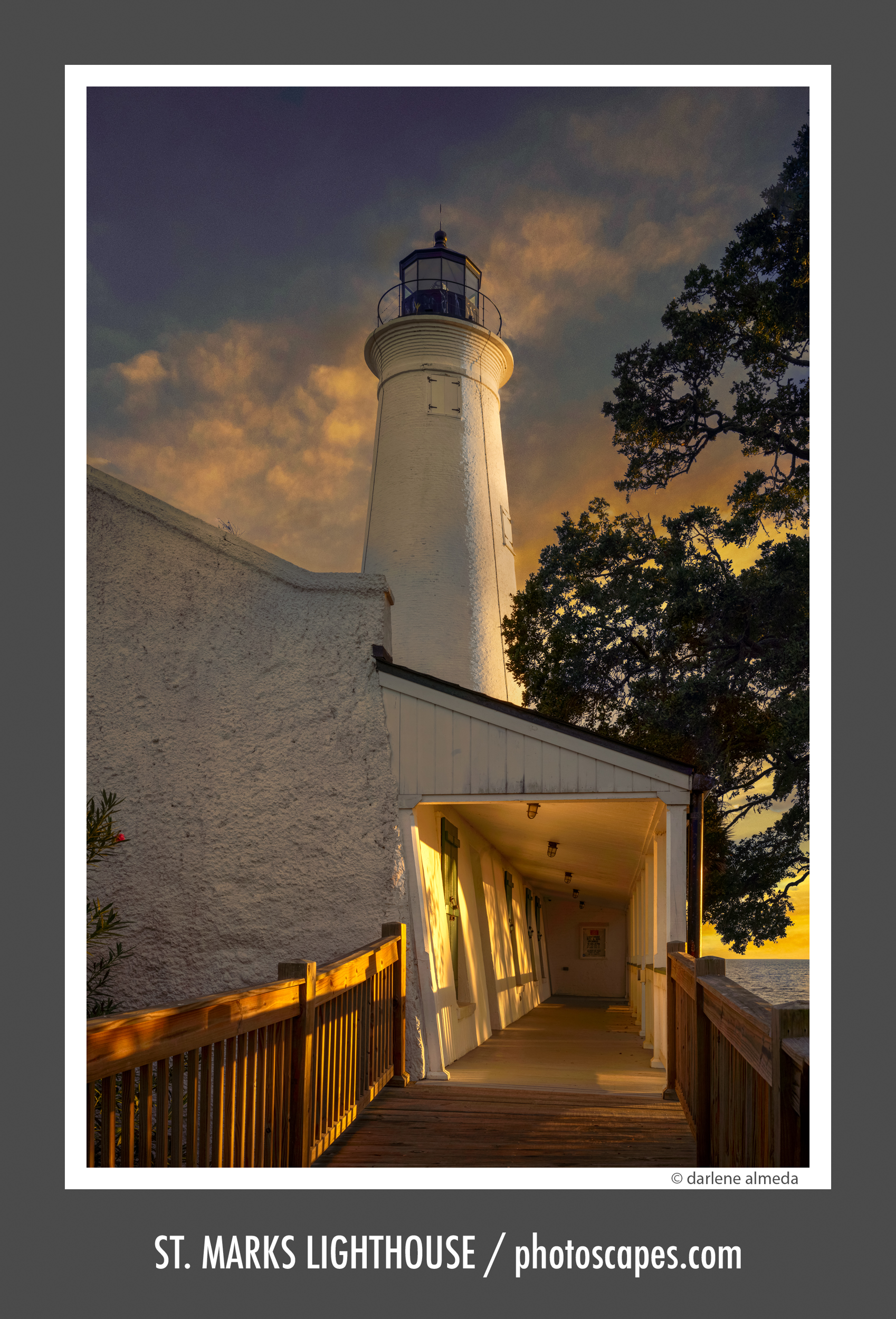
Below are examples of both film and digital work made with the Hasselblad V lenses discussed above, illustrating their continued relevance across formats and workflows.



DIGITAL IMAGES CAPTURED WITH HASSELBLAD V LENSES