Canon AE-1 | Atlantic City, NJ
For me, photography has always been more than a visual art; it’s a form of storytelling. Each photograph holds a fragment of a larger narrative, one that continues beyond the frame. Sometimes that story is rooted in fact, drawn from the quiet moments I’ve experienced on the road or the histories I’ve stumbled upon through my lens. Other times, it’s purely imagined—a fiction inspired by mood, light, or the mystery of a place.
This is what I love about narrative photography: the way an image can speak, suggest, and invite curiosity. A photograph might capture a single instant, but when paired with words, that moment expands. Through short stories—both fictional and non-fictional—I explore what might have happened before or after the shutter clicked. The image provides the spark; the writing gives it a heartbeat.
Whether I’m recounting a true story from my travels or weaving a bit of fiction inspired by a forgotten building or an empty chair, I see my photographs as visual prompts, beginnings of tales waiting to unfold. The pairing of words and images allows me to share not just what I saw, but what I felt and imagined. In that space between truth and invention, my photographs find their voice.
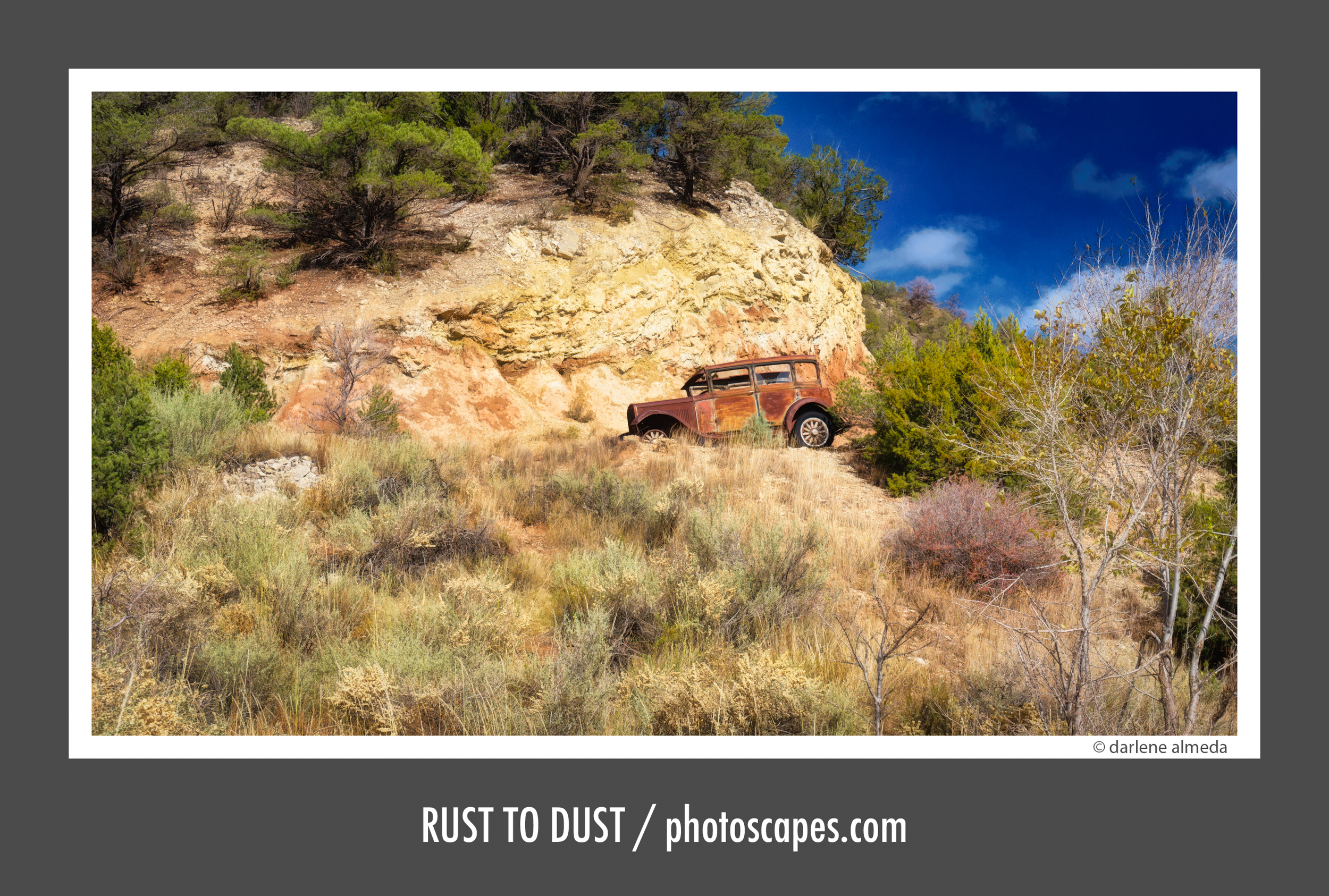
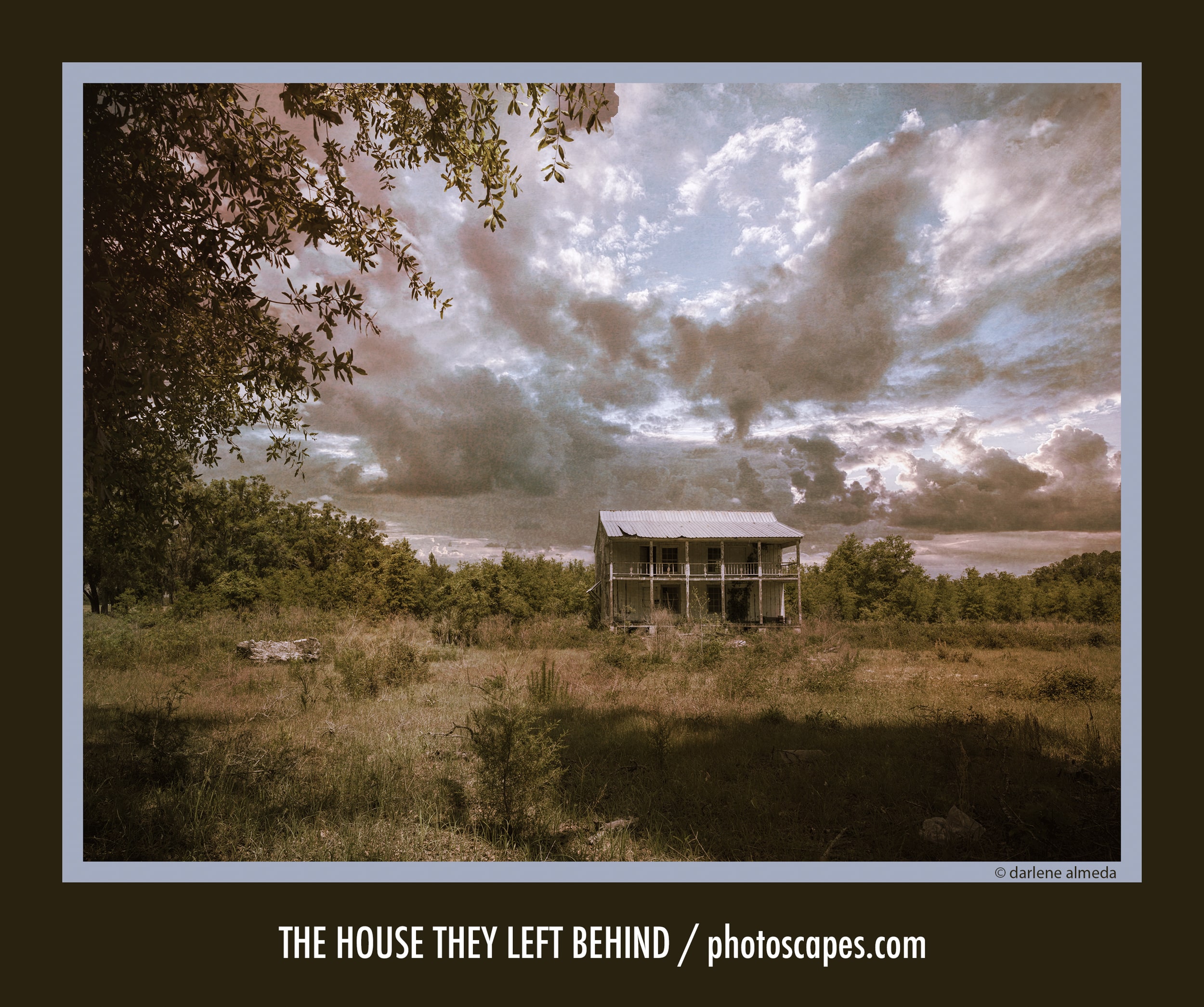
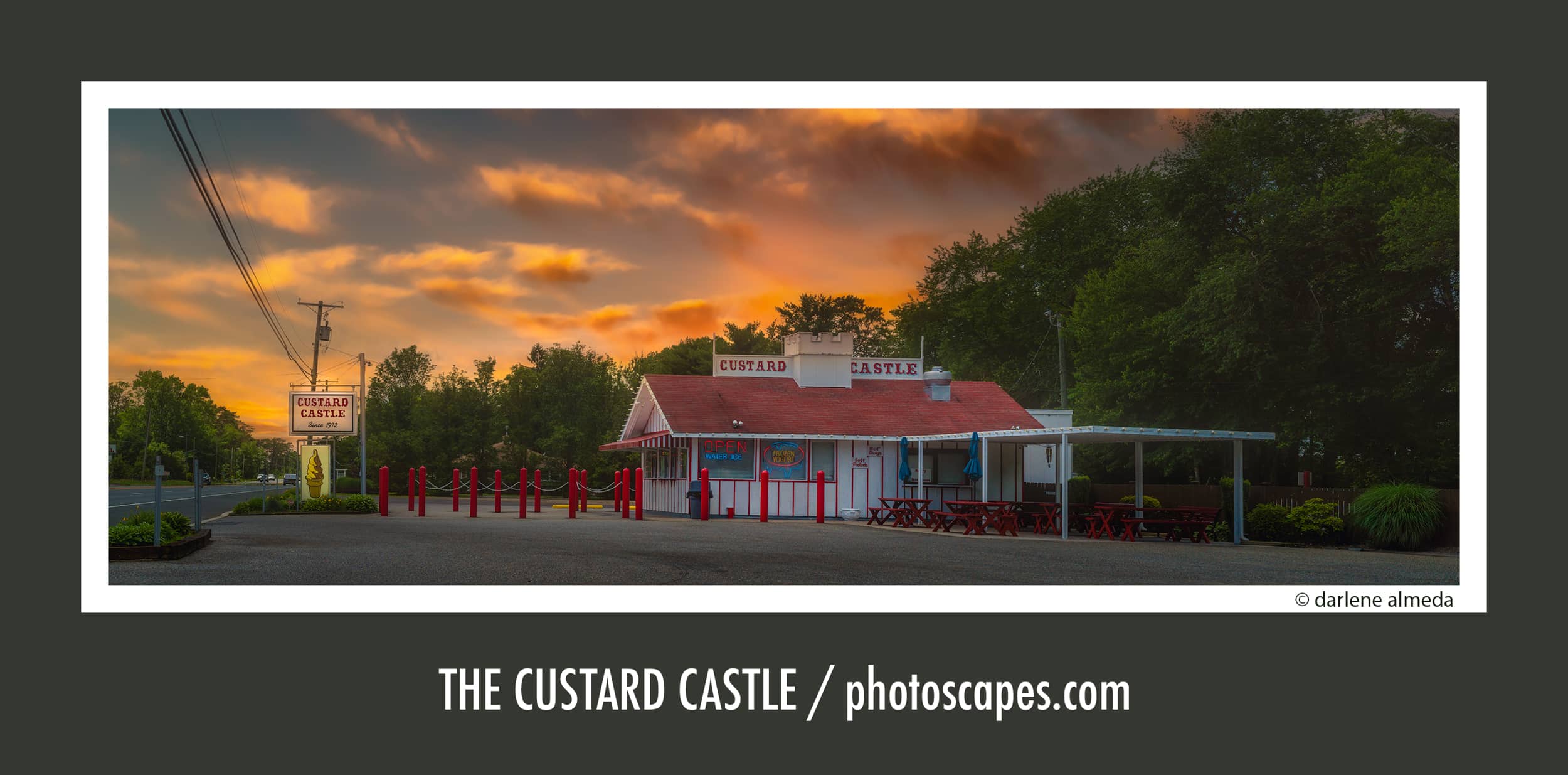
The photographs below reflect this idea. Each carries a quiet story of its own. Rust to Dust reflects on what time leaves behind and how nature gently reclaims it. The House They Left Behind lingers like an unfinished memory, suspended between presence and absence. And The Custard Castle glows with the bittersweet pull of nostalgia, echoing laughter from a vanished summer. Together, they reveal how narrative photography turns still images into stories—where memory, mystery, and imagination meet.
Narrative → Reflective / Poetic
A photograph becomes a quiet anchor for memory, reflection, and the passage of time.
This subcategory of Narrative Photography focuses on quiet moments in which a single image becomes a vessel for memory, reflection, and emotional resonance.
The photograph is the starting point.
The writing—whether prose, haiku, or a brief reflection—emerges in response to the image rather than explaining it.
These narratives are often understated and personal, shaped by time and distance. Meaning is not immediate or literal but is slowly revealed through restraint, symbolism, and mood. What matters is not what happened but what remains.
Reflective / Poetic Narrative Photography embraces the beauty of small moments—images that linger not because they are dramatic but because they are deeply felt.
words & images © darlene c. almeda / photoscapes.com