Fujifilm X-Pro2 | Studio
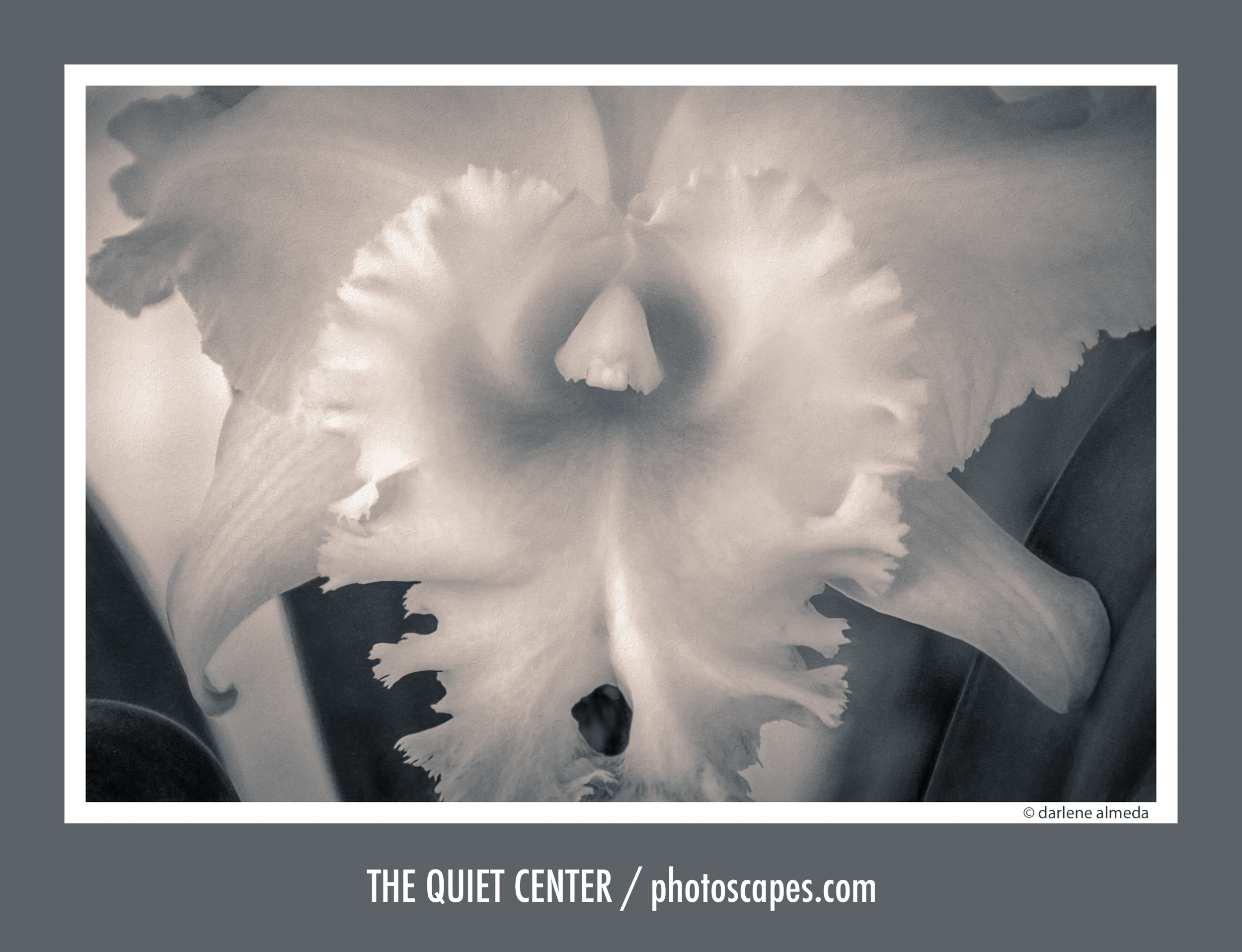
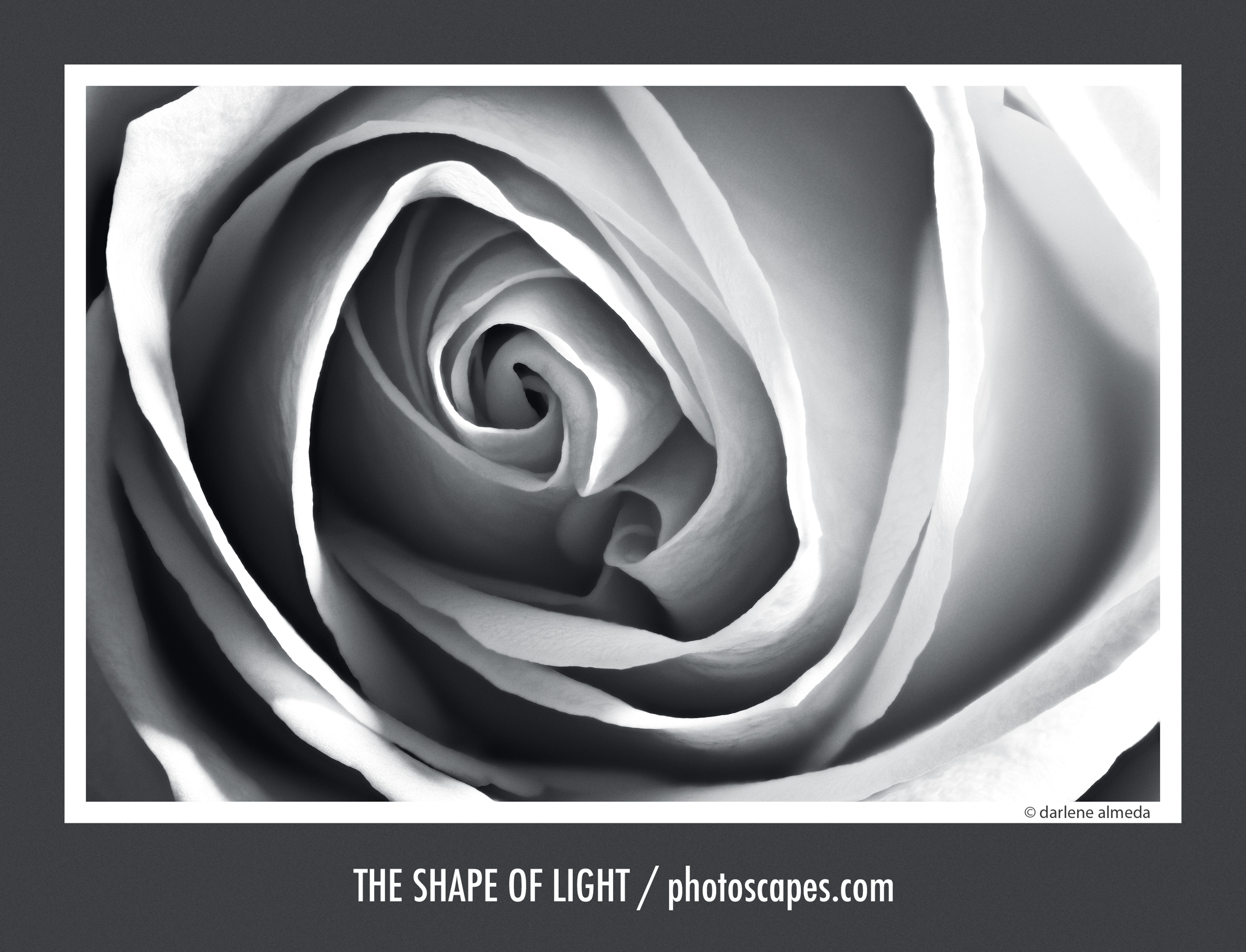
Tonal photography explores the visual language of light and shadow through carefully rendered gradations of tone. Rather than emphasizing vivid color, extreme contrast, or sharp detail, the image is built upon subtle transitions between highlights, midtones, and shadows. The result is often quiet, atmospheric, and contemplative.
In tonal photography, mood frequently takes precedence over description. Subjects may appear softened by mist, diffused light, overcast conditions, or delicate processing choices that preserve nuanced tonal relationships. The photograph invites viewers to linger and experience the emotional qualities of light rather than simply identify objects within the frame.
This approach is often associated with black and white photography, where tonal values become the primary means of expression, but it can also be found in color work where hue is secondary to the overall tonal structure of the image.
Characteristics of Tonal Photography
- Subtle transitions between light and dark values
- Emphasis on atmosphere and mood
- Moderate to low contrast rendering
- Careful attention to highlight and shadow detail
- Simplified compositions that allow tonal relationships to dominate
- Often associated with fog, mist, overcast light, and quiet scenes
What Draws Photographers to Tonal Photography
Tonal photography encourages a slower, more contemplative way of seeing. Rather than relying on dramatic subjects or striking colors, it seeks beauty in the delicate interplay of light, shadow, and atmosphere, revealing the emotional character of a scene through tone itself.
words & images © darlene c. almeda / photoscapes.com