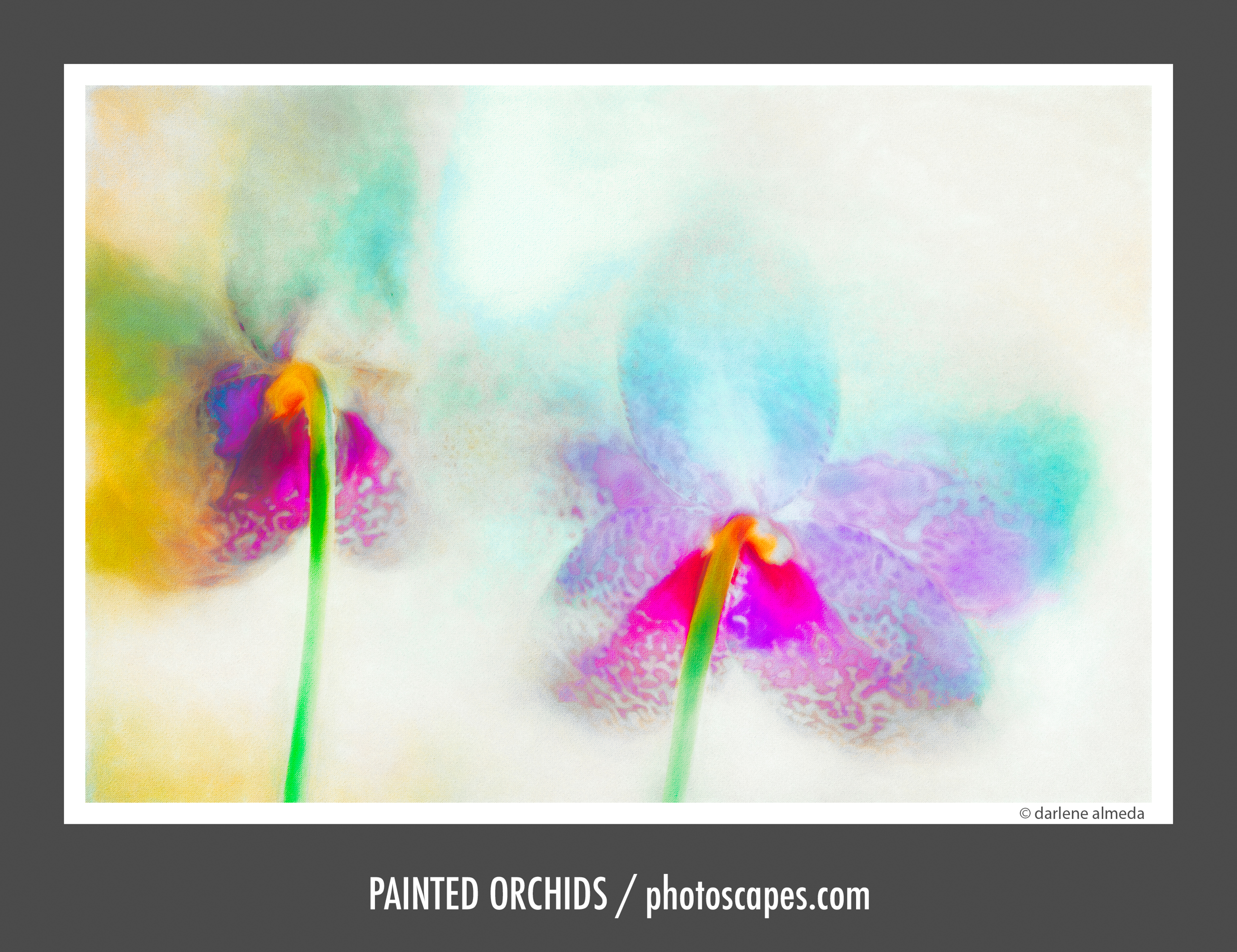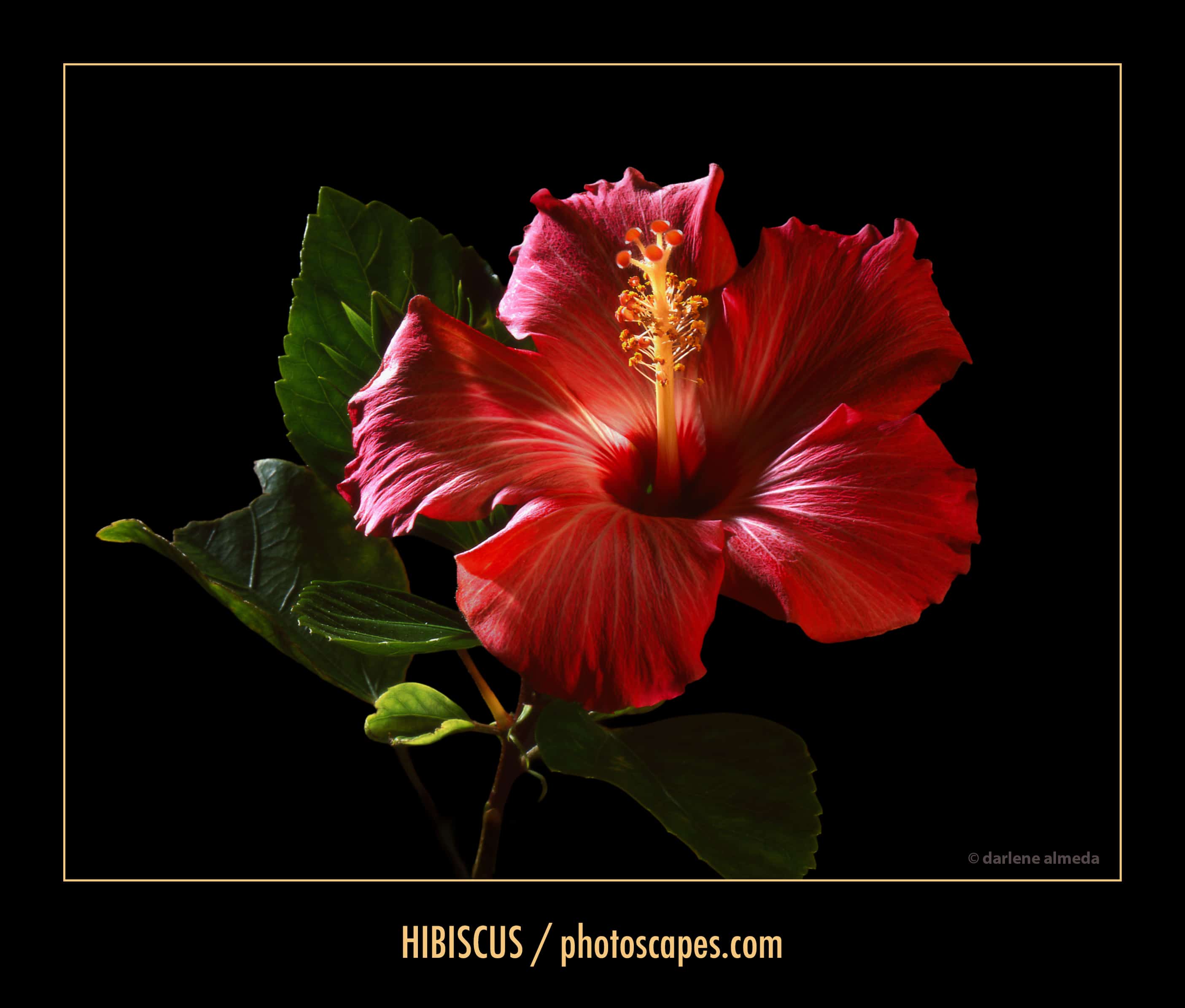
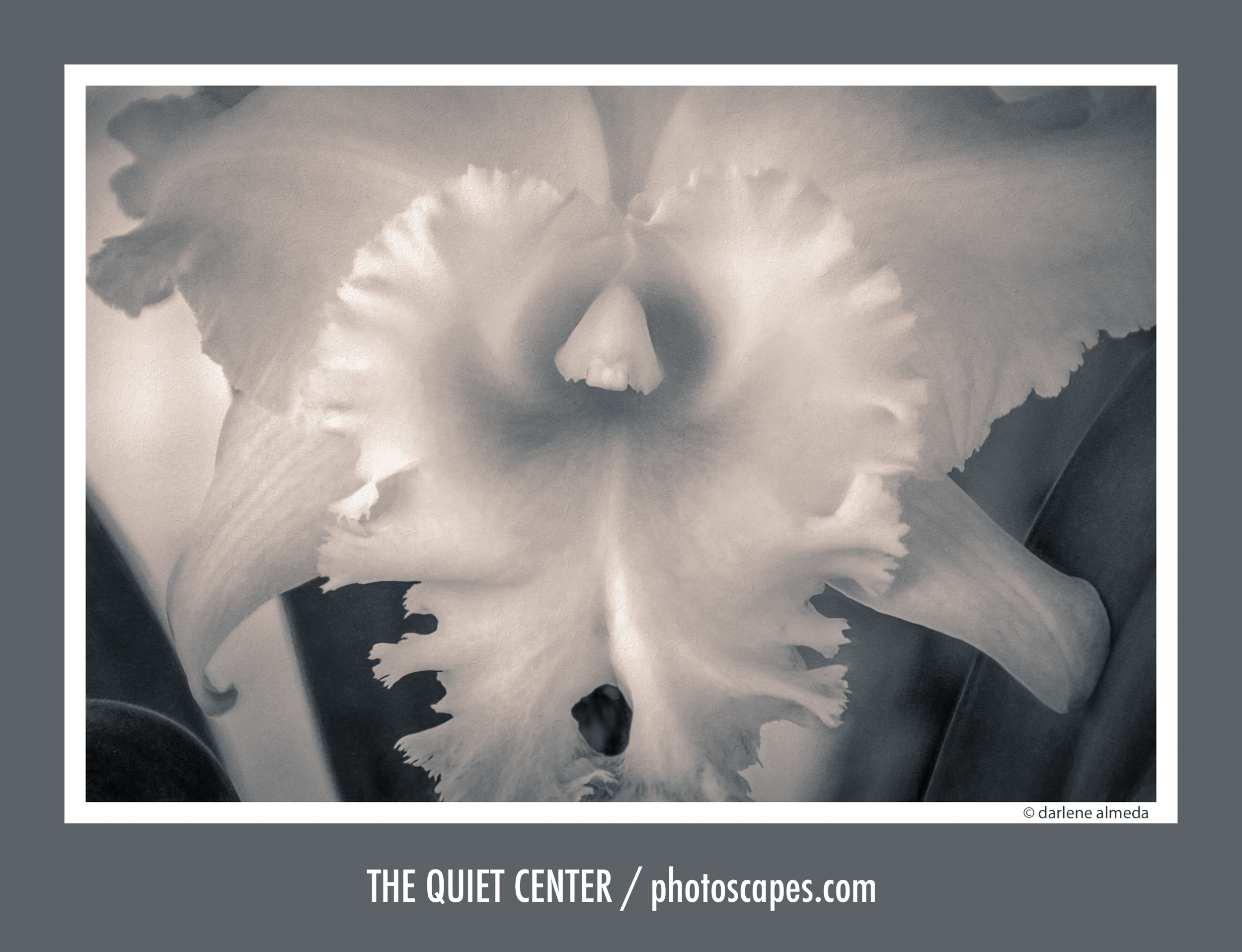
LINHOF 3000 + NIKKOR 210/5.6 + HAND-COLORED B&W FILM
Floral photography is one of the most enduring and versatile genres in photography. At first glance, it appears simple: flowers are beautiful, available, and cooperative subjects. Yet photographing flowers well requires careful observation, sensitivity to light, and an understanding of form that goes far beyond surface beauty alone.
Flowers invite a slower way of seeing. They do not rush, they do not pose, and they do not repeat themselves. Each bloom offers a brief and unrepeatable moment, shaped by light, season, and environment. In this way, floral photography sits comfortably at the intersection of still life, nature, and fine art photography.
What Defines Floral Photography?
Floral photography focuses on flowers as the primary subject, whether growing naturally or arranged intentionally. It can be expressive or documentary, minimal or complex, literal or abstract. The genre is defined less by subject matter alone and more by how the photographer chooses to interpret the flower in light, form, and intent.
A flower may be:
- Shown in its natural environment
- Isolated against a simple background
- Treated as a sculptural form of line, shape, and tone
- Explored through close-up or macro detail
- Used as a compositional element within a larger scene
In strong floral work, the photograph reveals something the eye might otherwise overlook.
Common Styles Within Floral Photography
Floral photography naturally branches into several stylistic approaches:
- Natural & Environmental
Flowers photographed in gardens, fields, forests, or wild settings, often emphasizing season, light, and place. - Still Life & Studio Floral
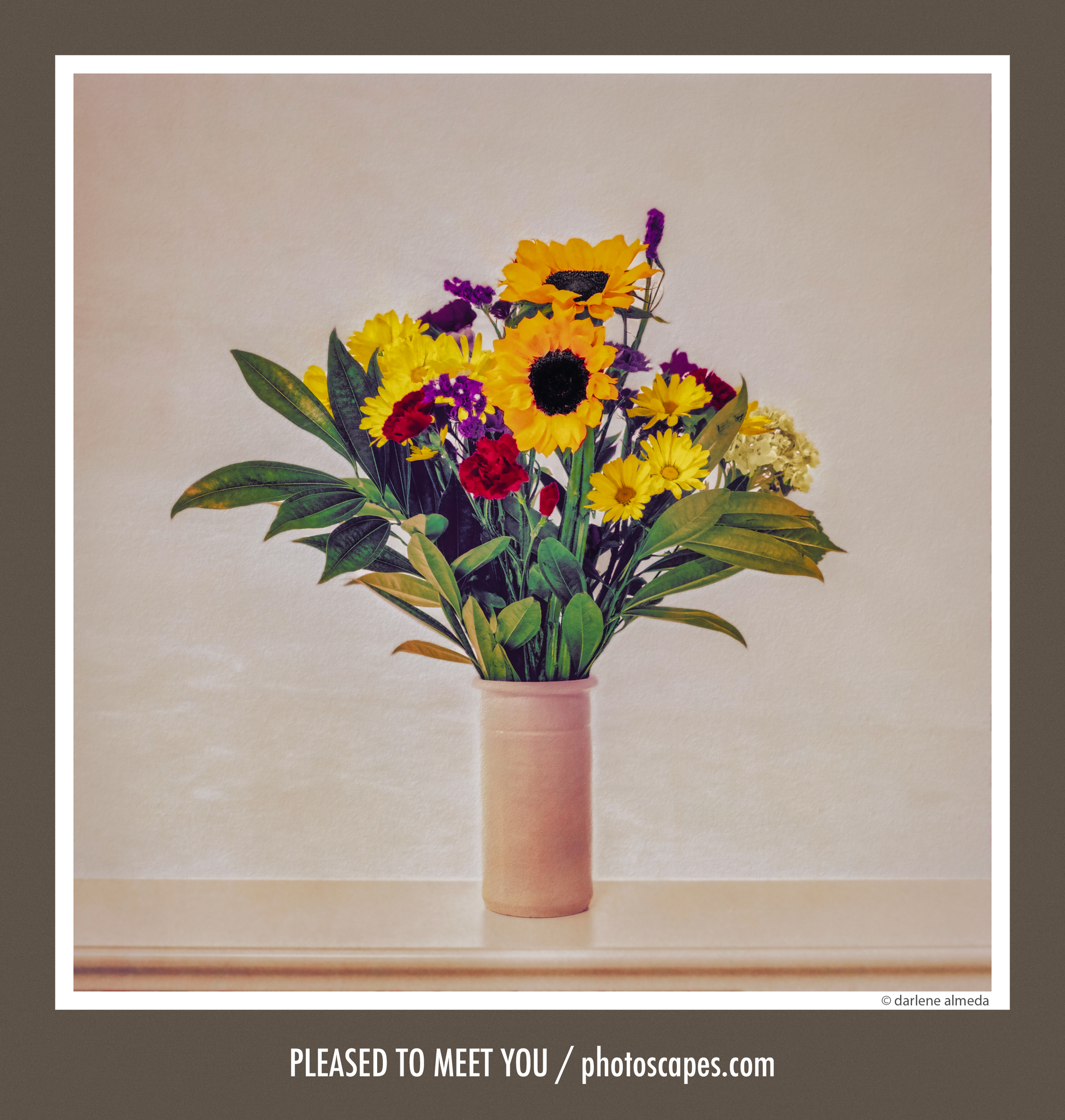
Carefully arranged compositions made indoors or in controlled light, where background, surface, and lighting are deliberately chosen. - Macro & Close-Up
Images that explore texture, pollen, veins, and structure, often revealing abstract patterns within the flower. - Fine Art Floral
Interpretive work that emphasizes mood, tone, symbolism, or emotion rather than botanical accuracy. - Abstract Floral
Photographs that reduce the flower to shape, color, movement, or blur, sometimes barely recognizable as a flower at all.
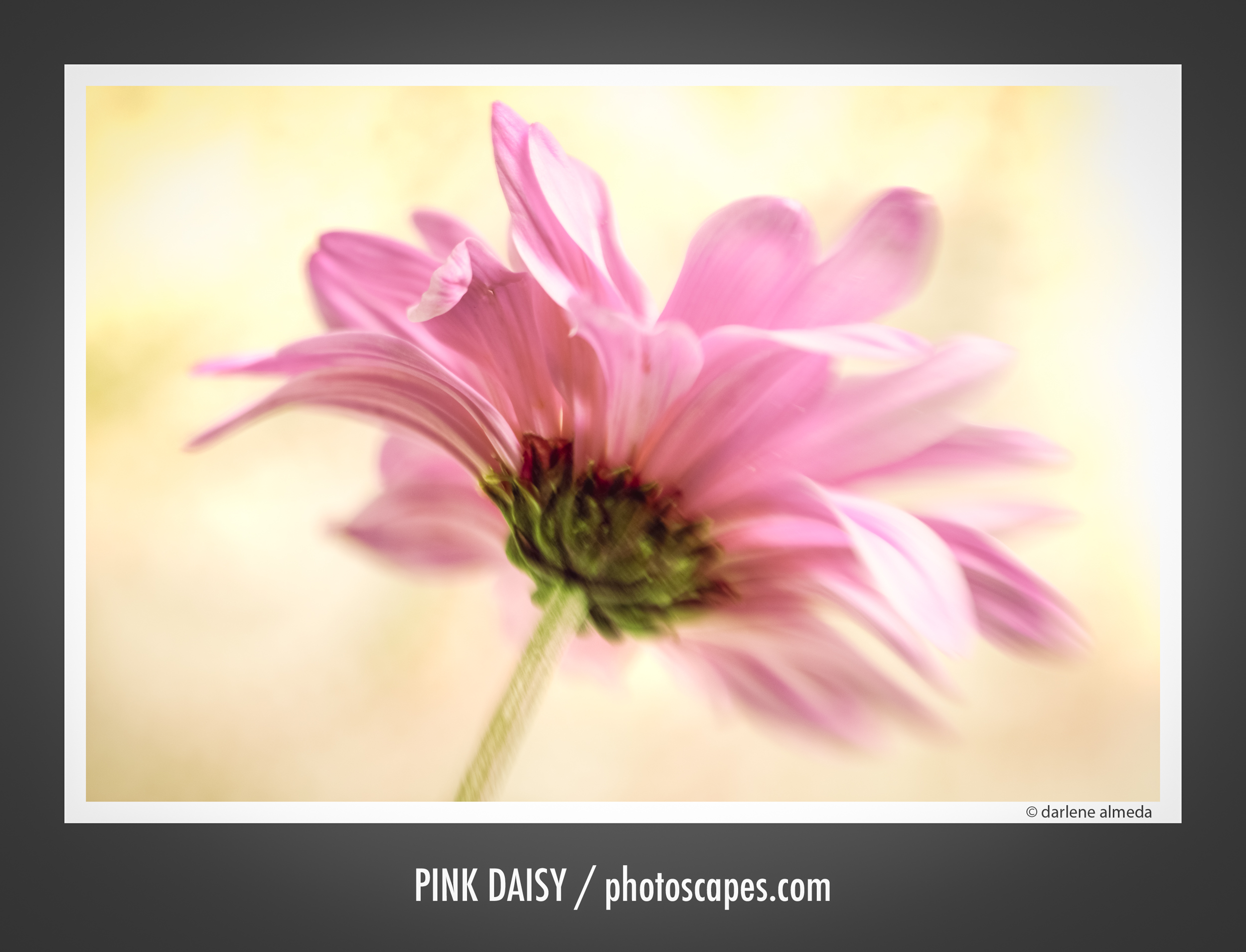
NIKON D200 + AF-S DX 18-200/3.5-5.6G ED VR
Light: The Quiet Teacher
Floral photography is an ideal genre for learning to see light.
Soft window light, open shade, overcast skies, or diffused studio light all reveal different qualities of a flower’s surface. Hard light may emphasize texture and contrast, while softer light can create gentle tonal transitions and a sense of calm.
Because flowers are patient subjects, they allow photographers to study:
- Direction of light
- Falloff and shadow
- Subtle color shifts
- Reflection and translucency in petals
This makes floral photography an excellent teaching tool for beginners and a lifelong study for experienced photographers. For many photographers, flowers become the subject through which they first truly learn to see light.
Color, Tone, and Simplicity
Flowers are often associated with color, but floral photography is not limited to it. Black-and-white floral images can emphasize form, contrast, and gesture in ways color cannot.
Successful floral images often rely on restraint rather than excess:
- Limited color palettes
- Simple backgrounds
- Thoughtful framing
- Careful separation of subject from surroundings
Less visual noise allows the flower’s character to emerge.
Why Floral Photography Endures
Flowers have been photographed since the earliest days of the medium, yet the genre never feels exhausted. Each photographer brings a unique perspective, shaped by their experience, patience, and personal response.
Floral photography rewards those willing to slow down, look closely, and work quietly. It asks not for novelty, but for attention.
In that sense, photographing flowers is less about decoration and more about presence.
words & images © darlene c. almeda / photoscapes.com