907x 50c | Mays Landing, NJ
The emotional connection between photography, memory, and time
What Is Nostalgic Photography?
Nostalgic photography is an aesthetic approach that evokes feelings of memory, longing, familiarity, and the passage of time. Rather than simply documenting the past, it creates an emotional connection between the viewer and a subject that may suggest another era, a remembered experience, or a moment that feels distant from the present.
The word nostalgia is often associated with a sentimental longing for the past, but its meaning in photography can be considerably more nuanced. Nostalgia may bring comfort, warmth, and affection, yet it can also express melancholy, absence, or an awareness that certain moments and places cannot be recovered.
A nostalgic photograph does not necessarily have to be old. Contemporary photographs can evoke nostalgia through their subjects, lighting, colors, compositions, or the emotions they suggest.
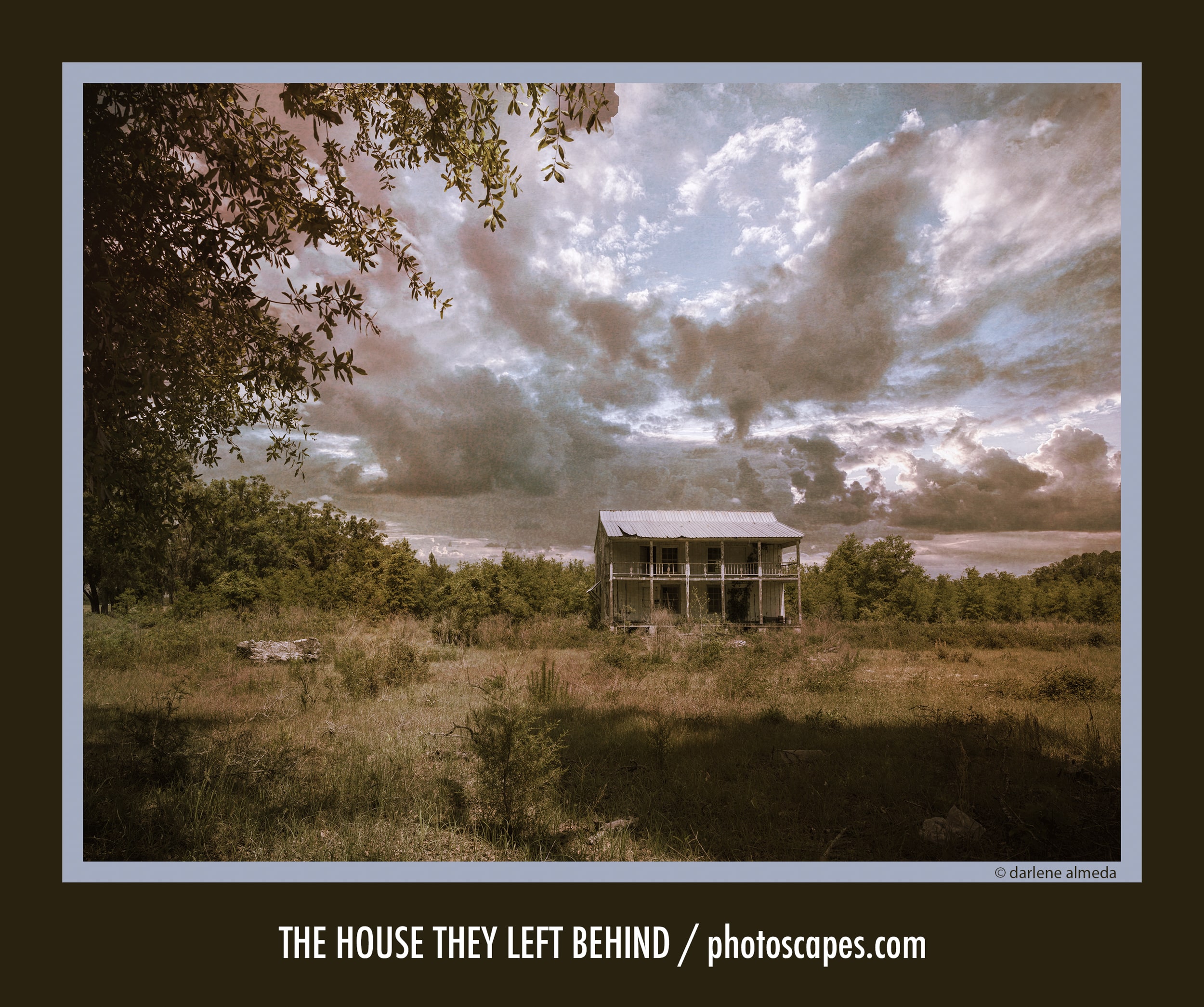
An abandoned farmhouse, a weathered storefront, a familiar household object, or sunlight falling across an empty room may remind us of experiences we have never personally known. Such photographs invite viewers to create their own emotional connections with the scene.
In this sense, nostalgic photography is less concerned with reproducing the past than with exploring how the past continues to influence the way we see and feel.
Nostalgia as an Aesthetic Descriptor
In photography, nostalgic is best understood as an aesthetic descriptor rather than a photographic genre or a specific technique.
A genre generally identifies what is being photographed, such as portraiture, landscape, architecture, or still life. A photographic style describes how the subject is interpreted or represented. An aesthetic descriptor identifies the visual or emotional qualities that characterize the resulting image.
Nostalgia can appear in nearly any photographic genre and can be expressed through many different styles.
A contemporary portrait may feel nostalgic because of its lighting and emotional intimacy. A still life may evoke memories through familiar objects and carefully chosen colors. A landscape may suggest the passage of time through abandoned structures or the quiet persistence of nature.
What connects these photographs is not their subject matter or the equipment used to create them, but their ability to suggest memory and an emotional relationship with time.
The Visual Characteristics of Nostalgic Photography
Although nostalgia is primarily an emotional response, certain visual characteristics frequently contribute to a nostalgic atmosphere.
Color and Tonal Relationships
Warm, muted colors are often associated with nostalgic imagery. Sepia, faded reds, gentle yellows, soft greens, and subdued blues may recall the appearance of older photographic prints, paintings, or printed illustrations.
However, nostalgic photography is not limited to warm or desaturated colors.
Rich colors can also evoke memories, particularly when they resemble the distinctive palettes of earlier decades, vintage advertising, or familiar objects from childhood.
Color becomes nostalgic when it contributes to the emotional or historical associations of the image.
Light and Atmosphere
Soft natural light, gentle shadows, window illumination, and the warm glow of late afternoon can create a sense of intimacy and remembrance.
Light may suggest the atmosphere of a particular time of day or the feeling of a moment recalled from memory.
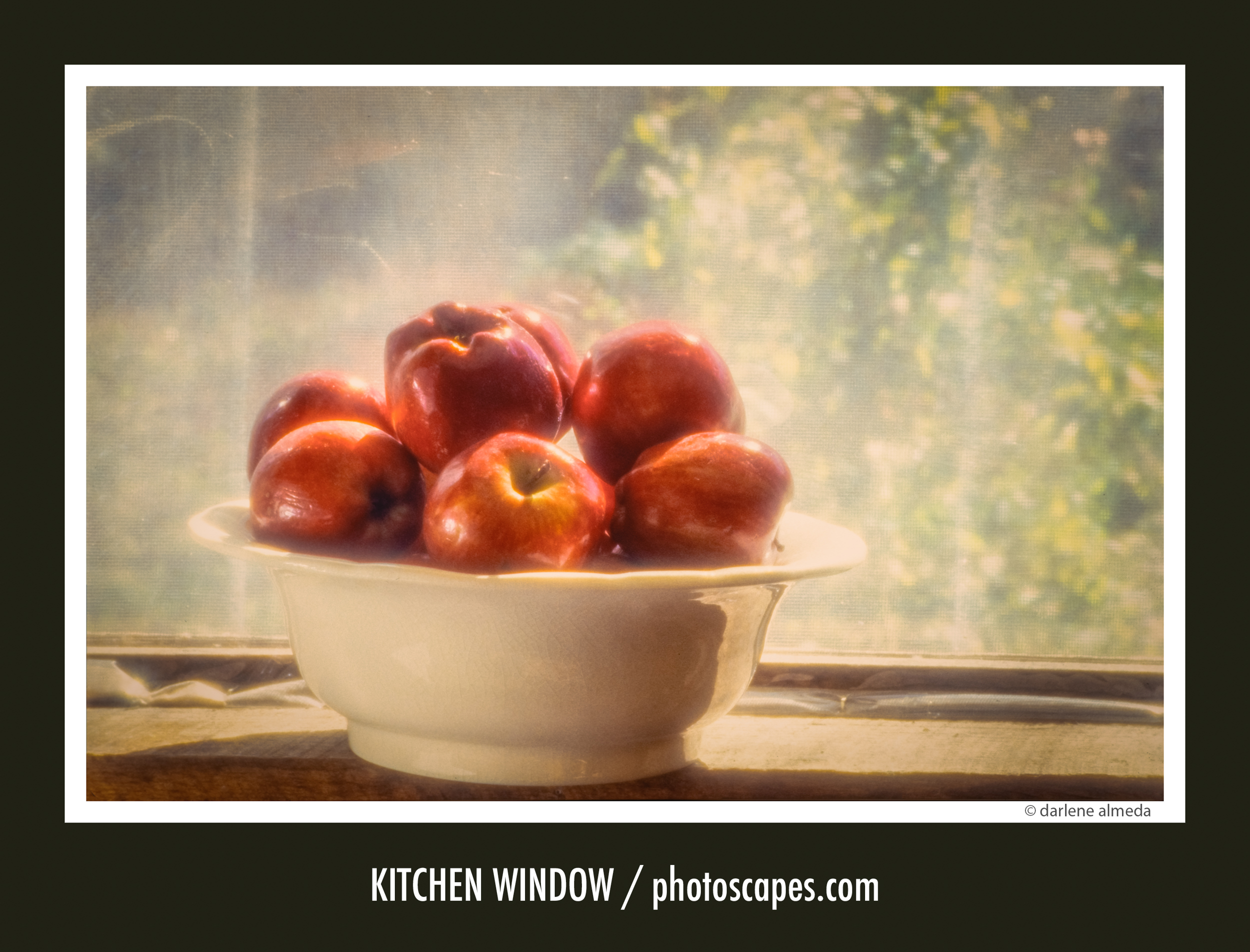
A quiet room illuminated by a single window can feel deeply nostalgic, even when there is nothing visibly old within it.
Familiar Objects and Historical Details
Objects often carry associations that extend beyond their practical purpose.
Old cameras, handwritten letters, vintage dishes, weathered furniture, toys, and household objects may suggest personal histories or earlier ways of living.
Their emotional significance does not necessarily depend on their monetary value or rarity.
An ordinary object may become meaningful because it reminds someone of a family member, a childhood home, or an experience that has remained in memory.
Texture and Imperfection
Weathered surfaces, worn edges, faded paint, aged paper, and the natural imperfections of older materials can suggest the passage of time.
Photographic grain, gentle softness, and restrained contrast may also contribute to a nostalgic interpretation when used with intention.
These characteristics should support the photograph rather than serve as decorative effects.
Composition and Simplicity
Nostalgic photographs often benefit from thoughtful composition and the elimination of unnecessary distractions.
An empty chair, a quiet street, or a single object placed within a carefully arranged still life may suggest a story without explicitly revealing it.
The absence of people can sometimes be as emotionally significant as their presence.
An unoccupied space may invite viewers to imagine who once lived there, what occurred there, or why the place feels familiar.
Nostalgia Is Not the Same as Vintage
Although the terms are sometimes used interchangeably, nostalgic and vintage describe different qualities.
Vintage generally refers to objects, visual designs, or photographic characteristics associated with an earlier period.
Nostalgic describes an emotional response.
A photograph of an antique camera may be vintage in subject matter without necessarily producing feelings of nostalgia. Conversely, a contemporary photograph of sunlight falling across a kitchen table may evoke powerful memories without containing a single vintage object.
Vintage elements can contribute to nostalgia, but they do not guarantee it.
This distinction is particularly important when creating photographs intended to communicate something beyond historical appearance.
A nostalgic photograph should offer more than evidence that something is old. Ideally, it should suggest why the subject, atmosphere, or moment might matter.
Nostalgia and the Passage of Time
Photography has always maintained a close relationship with memory.
A photograph preserves a visual record of a moment that has already passed. Even the most ordinary photograph becomes a document of time as the people, places, and circumstances surrounding it change.
Nostalgic photography builds upon this relationship.
It may encourage us to remember experiences from our own lives, imagine the lives of others, or reflect upon the changes that accompany the passage of time.
Sometimes the emotional response is immediate. A familiar object or location brings back a particular memory.
At other times, the feeling is more difficult to explain. We may experience a sense of longing for a place we have never visited or a period we have never experienced.
This is one of the qualities that makes nostalgia such an interesting aesthetic in photography. The photographer creates the image, but the viewer contributes personal memories, associations, and emotions.
Two people may look at the same photograph and experience entirely different feelings.
My Approach to Nostalgic Photography
My interest in nostalgic photography is closely connected to my appreciation for quiet observation, historical places, and objects that carry a sense of personal or cultural history.
I am often drawn to subjects that seem to exist comfortably outside the demands of contemporary life.
An old building, a weathered doorway, or a carefully arranged still life may suggest something about the people who lived with these surroundings or objects long before I encountered them.
I also enjoy working with vintage objects, particularly when their colors, shapes, and surfaces contribute to a composition.
For me, the purpose is not simply to recreate the appearance of an earlier era. I am interested in how these objects and places make me feel and whether those feelings can be communicated through a photograph.
My still life work sometimes incorporates familiar household objects and arrangements inspired by earlier forms of illustration and advertising. I enjoy exploring how color, light, and composition can suggest the visual language of another period while remaining distinctly photographic.
Black and white photography offers another approach. Without the influence of color, attention shifts toward light, texture, form, and the relationships between objects.
Occasionally, I hand color a black and white photograph to create a particular visual interpretation. This allows me to introduce color selectively, often producing an appearance that recalls historical photographic prints or illustrations.
Regardless of the technique, I want the photograph to feel natural to the subject.
I am less interested in making something appear artificially old than in discovering the qualities that give it a sense of memory, familiarity, or enduring significance.
Creating a Nostalgic Photograph
There is no single formula for creating nostalgic photography.
The most effective approach often begins with identifying what makes a subject emotionally interesting.
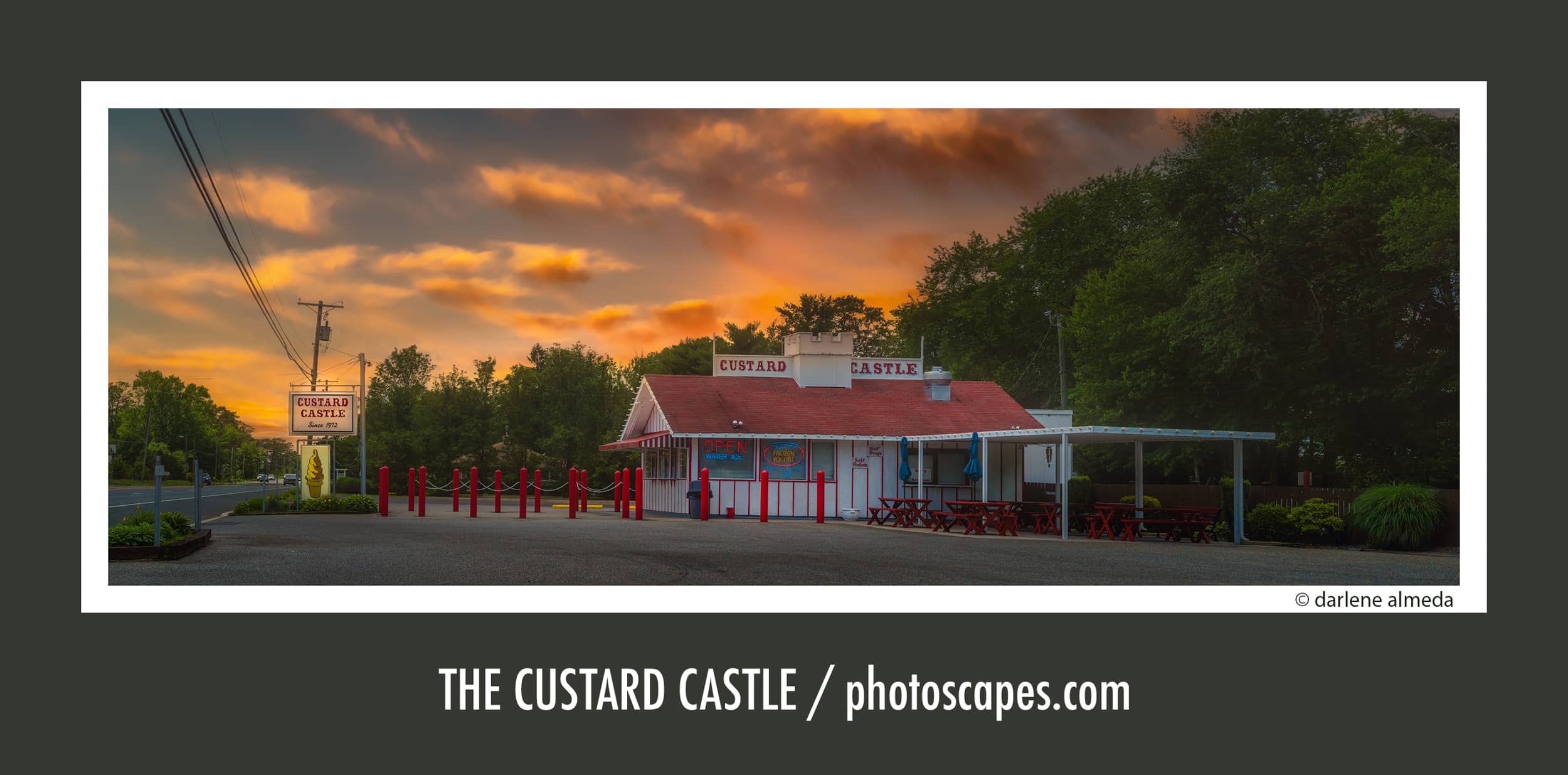
A photographer might be drawn to the soft illumination of an old interior, the colors of a vintage ceramic bowl, or the quiet character of a small town that has changed very little over the years.
Once that connection is recognized, the photographic decisions can support it.
Lighting may be chosen to emphasize atmosphere rather than dramatic contrast. Composition may isolate a familiar detail or allow an empty space to suggest a story. Color may be restrained, enriched, or interpreted to reinforce the emotional character of the scene.
Film photography can contribute its own distinctive tonal and textural qualities, but digital photography is equally capable of producing nostalgic imagery.
The medium is less important than the intention.
Post processing can also contribute to the aesthetic, although simply applying a faded color preset or adding simulated film grain does not necessarily make a photograph nostalgic.
The visual treatment should grow from the subject and the photographer’s interpretation rather than substitute for them.
Nostalgic, Painterly, and Cinematic Photography
Nostalgic photography frequently overlaps with other photographic styles and aesthetic descriptors, but each communicates something different.
Painterly photography emphasizes visual qualities associated with painting, including expressive color, soft transitions, and the interpretation of form.
Cinematic photography draws upon visual storytelling associated with motion pictures, often using lighting, composition, and atmosphere to suggest a larger narrative.
Nostalgic photography emphasizes the emotional relationship between the image, memory, and time.
A photograph can incorporate all three qualities.
For example, a softly illuminated interior containing vintage furnishings might appear painterly because of its color and tonal relationships, cinematic because it suggests an unseen narrative, and nostalgic because it evokes a sense of the past.
These descriptions are not mutually exclusive. They provide different ways of understanding the visual and emotional character of a photograph.
The Importance of Authenticity
Nostalgia can easily become a collection of familiar visual conventions: faded colors, artificial scratches, sepia tones, and deliberately aged surfaces.
Such effects may be appropriate for certain creative projects, but they are not essential to the aesthetic.
A photograph can communicate nostalgia through a simple, honest observation.
An old house photographed in clear morning light may be more emotionally compelling than the same scene treated with exaggerated vintage effects.
Likewise, a carefully composed still life of familiar objects may evoke stronger associations than an elaborate arrangement designed solely to imitate a particular decade.
For me, authenticity means allowing the subject and its visual relationships to guide the photograph.
The goal is not to convince viewers that an image was made long ago.
It is to create an image that encourages them to think about time, memory, and the experiences that give ordinary things meaning.
Final Thoughts
Nostalgic photography offers a way to explore the relationship between what we see and what we remember.
It reminds us that photographs can communicate more than the physical appearance of their subjects. They can suggest experiences, emotions, and connections that extend far beyond the boundaries of the frame.
An ordinary object may become a reminder of childhood. An empty room may suggest the presence of someone who is no longer there. A quiet landscape may evoke a sense of belonging to a place we have never known.
What I find most appealing about nostalgic photography is its ability to give familiar subjects a deeper emotional presence without requiring an elaborate story.
Sometimes the smallest details carry the greatest meaning.
Nostalgia in photography is not simply about looking backward. It is about recognizing how the past continues to live within the present.
words & images © darlene c. almeda / photoscapes.com