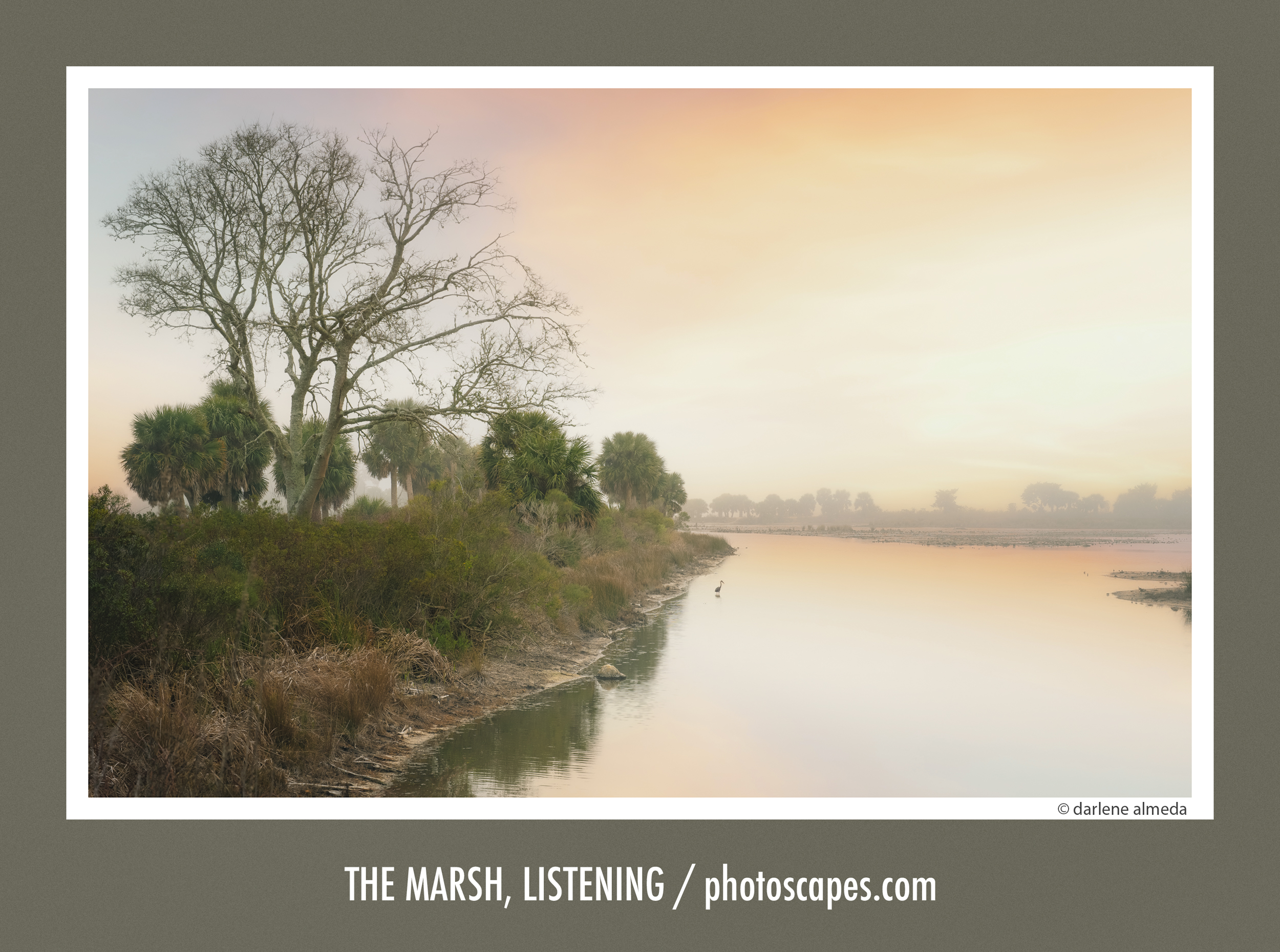
HASSELBLAD 907X + 75P | ST. MARKS NWR
Ethereal describes a photographic aesthetic characterized by delicacy, softness, lightness, and an almost otherworldly atmosphere. The term is often associated with photographs that feel dreamlike, weightless, or removed from the ordinary physical world. Rather than emphasizing precise detail or strong visual definition, ethereal photography frequently creates a sense of quiet beauty, mystery, and emotional subtlety.
Light is one of the most important elements in establishing an ethereal quality. Soft, diffused illumination, gentle backlighting, atmospheric haze, and delicate highlights can soften the boundaries between subjects and their surroundings. Light may appear to envelop the subject rather than simply illuminate it, creating an impression of luminosity and visual weightlessness.
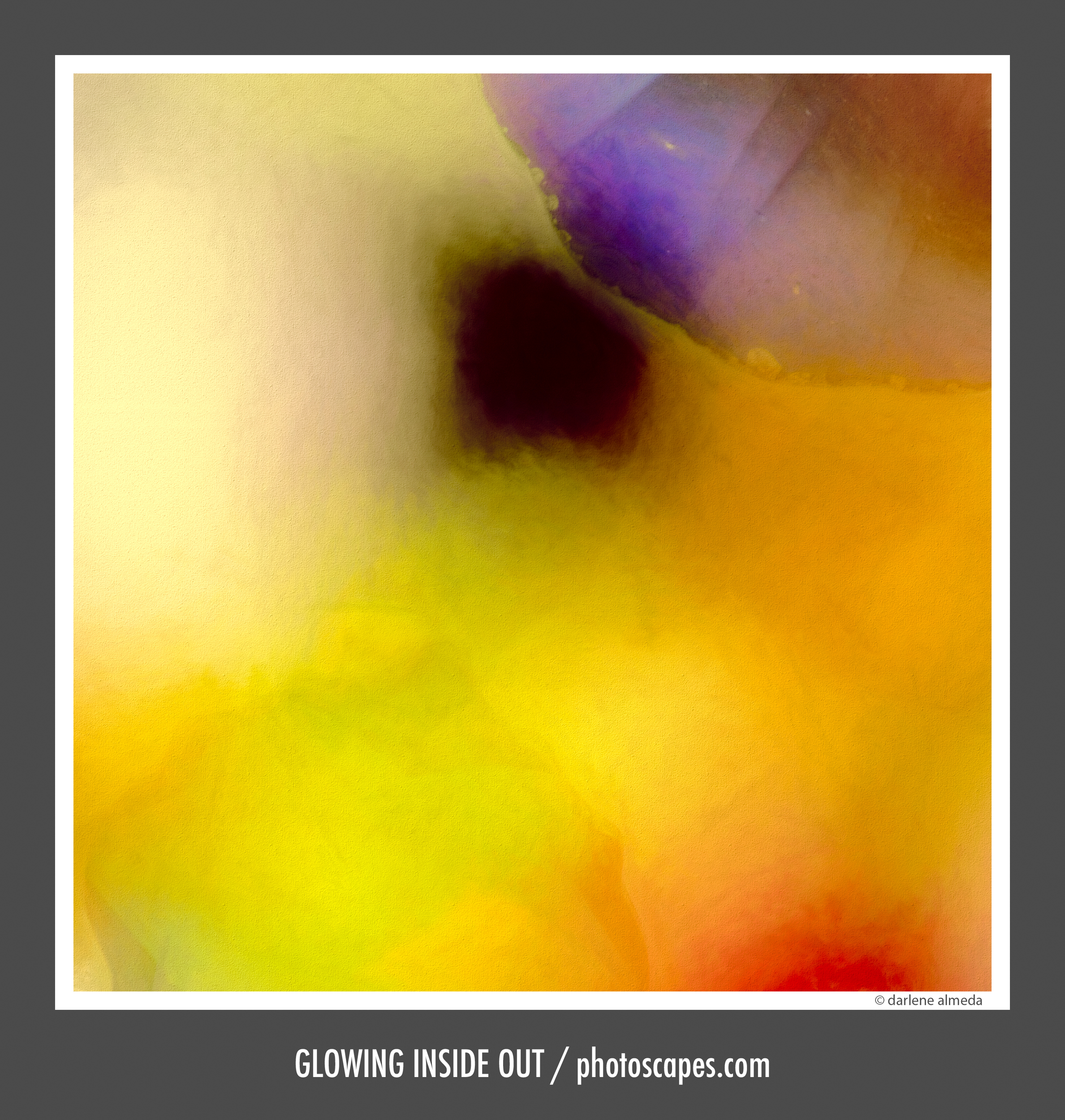
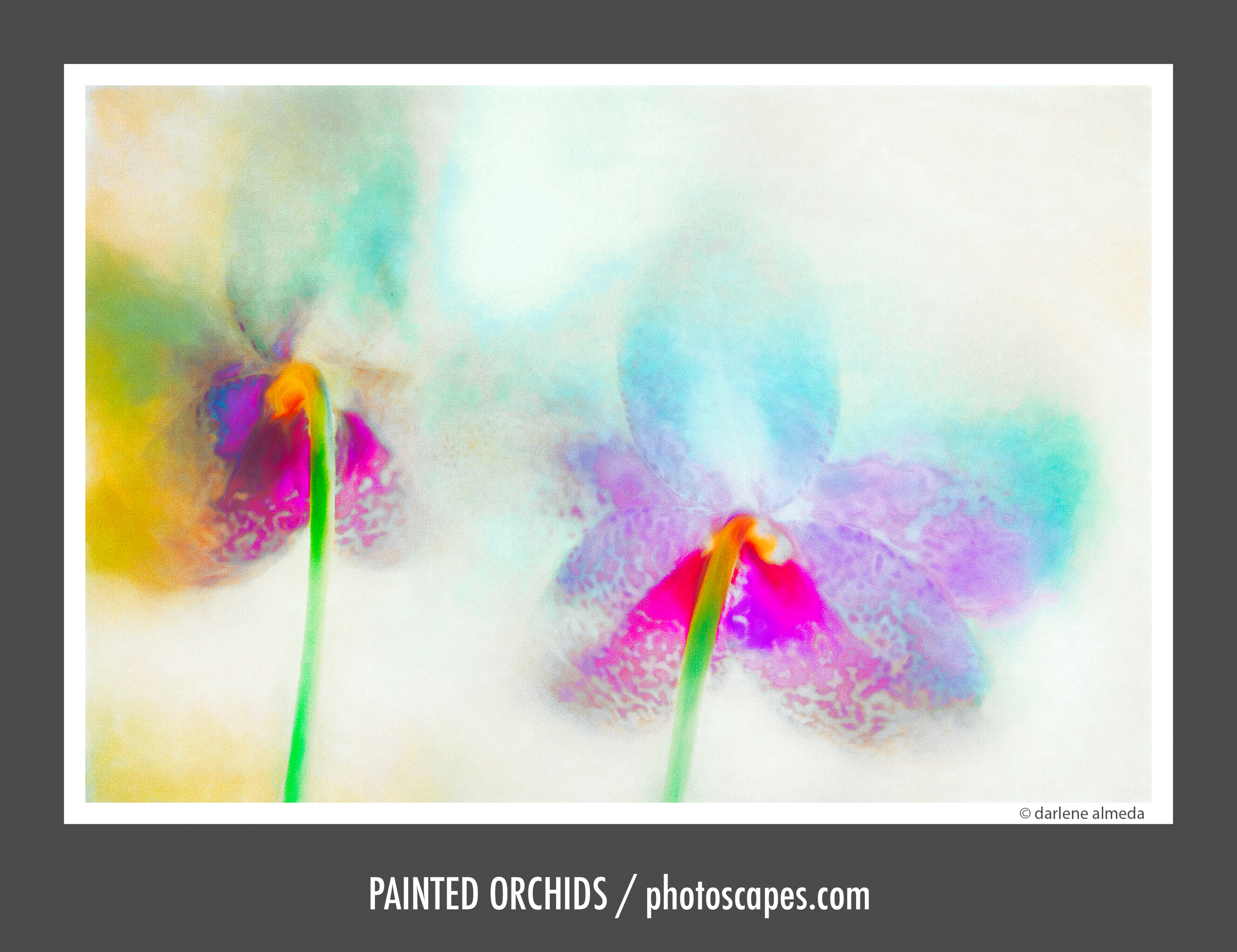
Color and tonal relationships also contribute to the aesthetic. Muted palettes, pale colors, subtle transitions, and restrained contrast can create a sense of tranquility and delicacy. However, ethereal photographs are not limited to light colors or pastel tones. Darker images may also possess an ethereal character when subtle illumination, atmospheric depth, and carefully controlled tonal relationships suggest mystery or an elusive presence.
Composition often favors simplicity, negative space, gentle forms, and an absence of distracting detail. Subjects may appear partially obscured by mist, softened through shallow depth of field, or surrounded by light that reduces their visual solidity. These qualities encourage the viewer to experience the photograph through atmosphere and emotion rather than through descriptive detail alone.
The Ethereal aesthetic can appear across many photographic genres, including landscape, floral, portrait, still life, nature, and abstract photography. In natural environments, fog, mist, reflections, and changing light may create ethereal conditions. In studio photography, carefully controlled illumination, translucent materials, soft focus, and subtle tonal transitions can produce similar effects.
Ethereal is best understood as an aesthetic descriptor rather than a photographic genre or technique. It describes the visual and emotional character of an image, regardless of the subject or method used to create it. A photograph may be painterly, minimalist, impressionistic, or atmospheric while also possessing ethereal qualities.
Ultimately, the Ethereal aesthetic is less about presenting a subject with absolute clarity and more about suggesting its presence. Through light, atmosphere, color, and visual restraint, an ethereal photograph can transform an ordinary subject into something delicate, contemplative, and seemingly suspended between reality and imagination.
words & images © darlene c. almeda / photoscapes.com