SIGMA SD1 + MACRO SETUP | STUDIO
Conceptual photography is a photographic approach in which an idea, message, or underlying concept becomes the central purpose of the image. Rather than concentrating primarily on the appearance of a subject, conceptual photography uses visual elements to communicate something beyond what is literally depicted. The photograph becomes a means of expressing a thought, exploring a question, or presenting an interpretation of the world.
The concept may be straightforward or deliberately ambiguous. Some photographs communicate recognizable themes such as identity, memory, isolation, time, or human relationships. Others explore more abstract ideas through symbolism, metaphor, visual relationships, or unexpected combinations of objects. In either case, the subject is selected or presented because of what it represents, rather than solely for its visual qualities.
Composition plays an important role in conceptual photography. Objects, figures, environments, light, color, and negative space may be arranged to establish relationships that suggest meaning. A familiar object placed in an unfamiliar setting can challenge expectations, while an ordinary scene photographed from an unusual perspective may encourage the viewer to reconsider its significance. Even the absence of an expected element can become part of the concept.
Conceptual photography may be carefully constructed or discovered through observation. Some photographers begin with a specific idea and create a scene to communicate it, using props, staging, lighting, or digital manipulation. Others recognize conceptual possibilities within existing environments, allowing the meaning of the photograph to emerge from the relationships they observe.
Not every conceptual photograph begins with a predetermined idea. Meaning can also emerge through experimentation, observation, and the photographer’s emotional response to unexpected visual discoveries. An abstract arrangement of light, color, or form may suggest a feeling or thought that was not anticipated when the photograph was made. Through selection, interpretation, and sometimes the addition of a title, the photographer gives that discovery a conceptual direction.
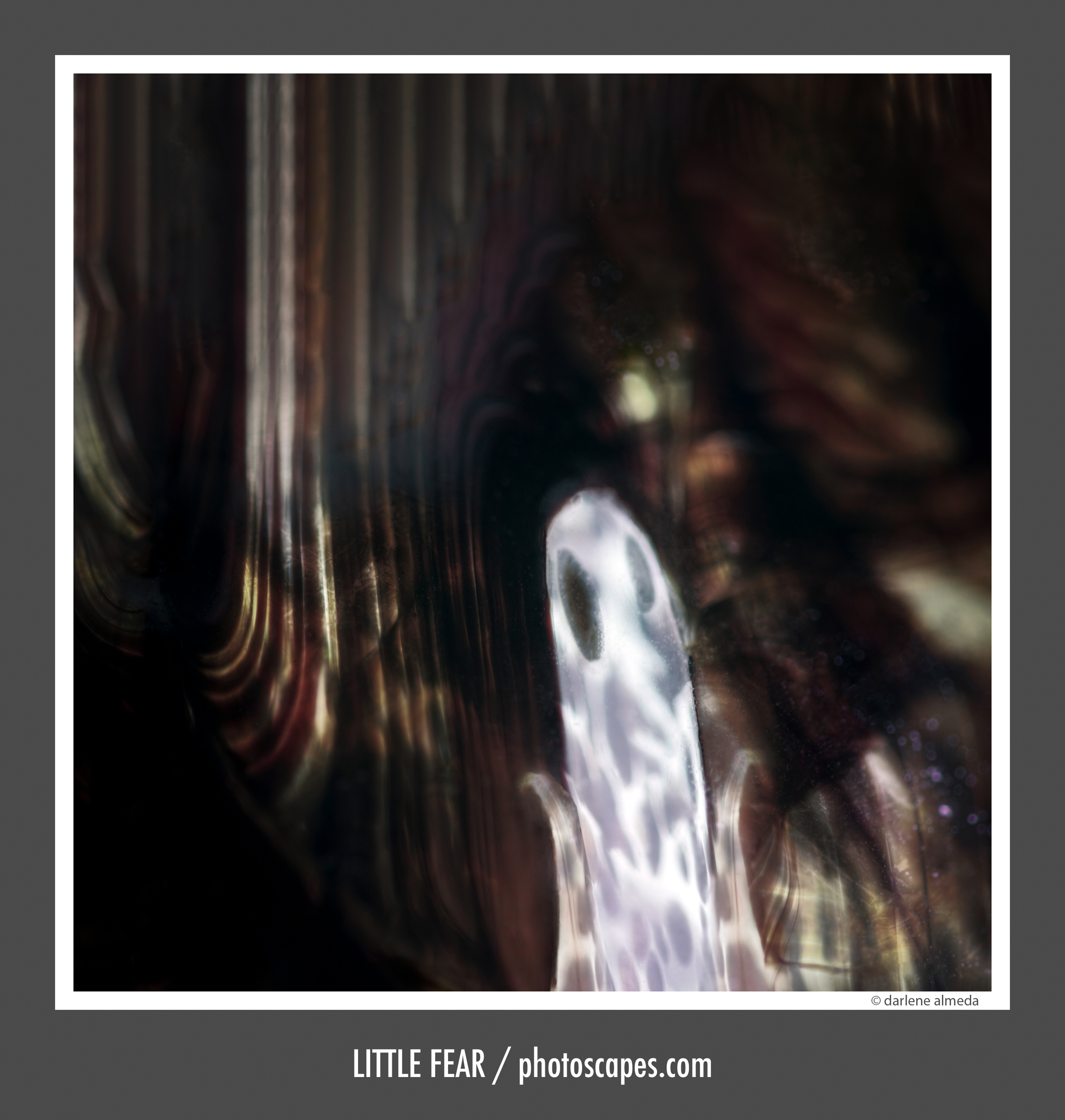
Little Fear is an example of this exploratory approach. While photographing tiny glass beads and shards with macro extension tubes and illumination from below, I searched through the viewfinder for forms that suggested an emotional connection. A small, luminous shape surrounded by darkness brought to mind vulnerability and fear. The photograph’s title emerged from that recognition, transforming an abstract study of glass and light into a visual expression of emotion.
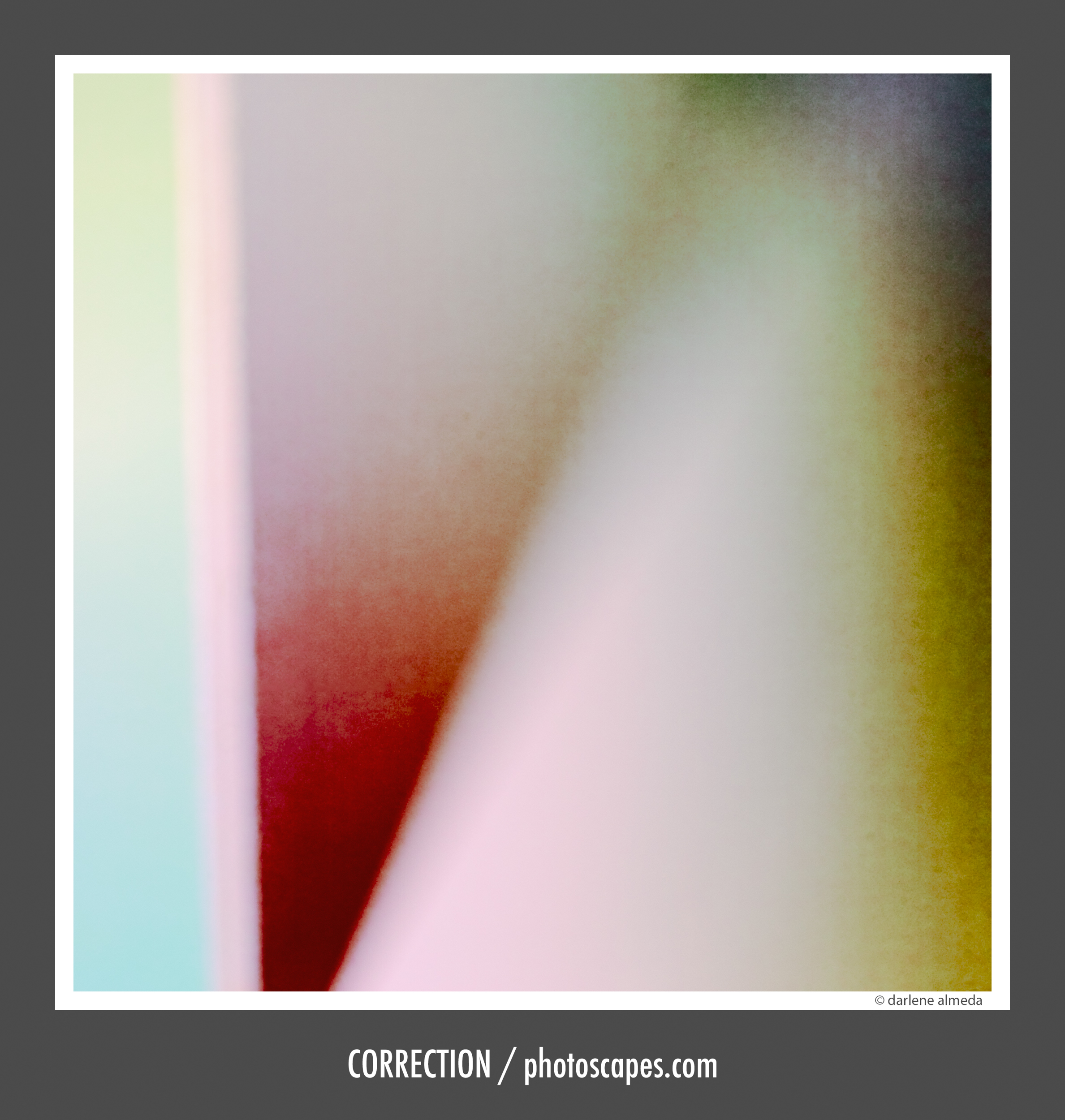
Correction was created through the same photographic process, but suggested an entirely different idea. A red triangular form reminded me of the sharpened point of a red pencil. Having experienced the classroom as both a student and an instructor, I associated that familiar object with grading papers, marking errors, and making corrections. The connection was personal, yet the visual metaphor remained open to interpretation.
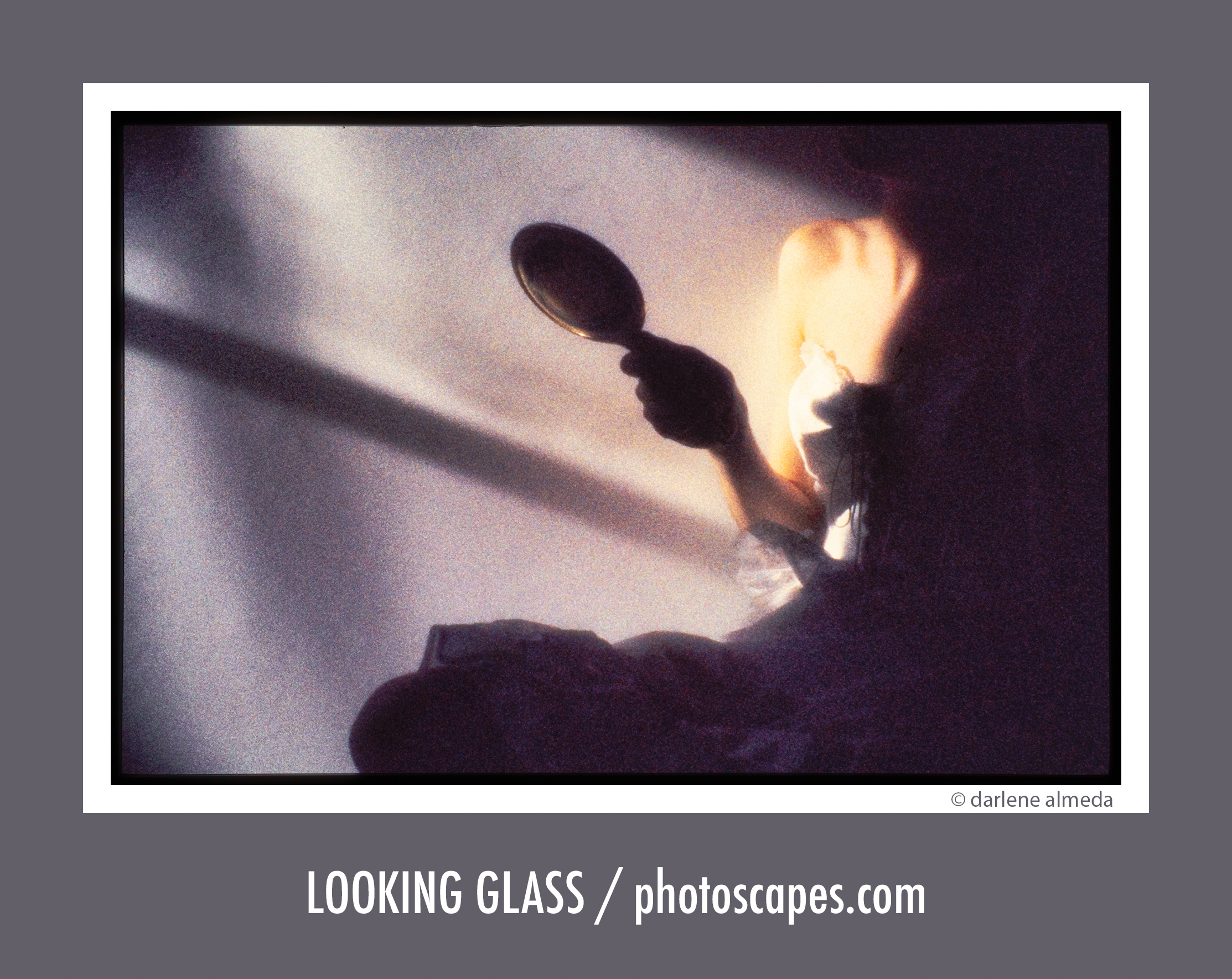
Other conceptual photographs may rely on familiar objects or recognizable symbols. A woman holding a mirror, as in Looking Glass, can suggest questions about identity, self perception, and the relationship between appearance and understanding. The mirror becomes more than a practical object. It introduces an idea that extends beyond the literal scene.
Symbolism can also communicate philosophical or spiritual concepts. In Looking at Nirvana, the serene expression of a Buddha figure, combined with luminous colors and softened detail, suggests meditation, inner stillness, and transcendence. The title reinforces the association, encouraging the viewer to consider a state of consciousness rather than simply the appearance of the subject.
Conceptual photography frequently overlaps with fine art, surreal, abstract, still life, and narrative photography. However, it is distinguished by the importance of the underlying idea. An abstract photograph may emphasize form, color, or texture, while a conceptual photograph uses those same elements to communicate or investigate a thought.
Interpretation is an important part of the viewing experience. Some conceptual photographs communicate their meaning immediately, while others invite reflection and allow viewers to form their own conclusions. Titles, accompanying text, or a series of related images may provide additional context, although a photograph can also communicate its concept without explanation.
Ultimately, conceptual photography is less concerned with simply showing what something looks like and more interested in what that something might mean. By transforming subjects into visual ideas, it encourages viewers to look beyond the literal image and consider the thoughts, questions, and possibilities it presents.
words & images © darlene c. almeda / photoscapes.com